ADAPTIVE NEIGHBOURHOODS LAB
Limerick Docklands
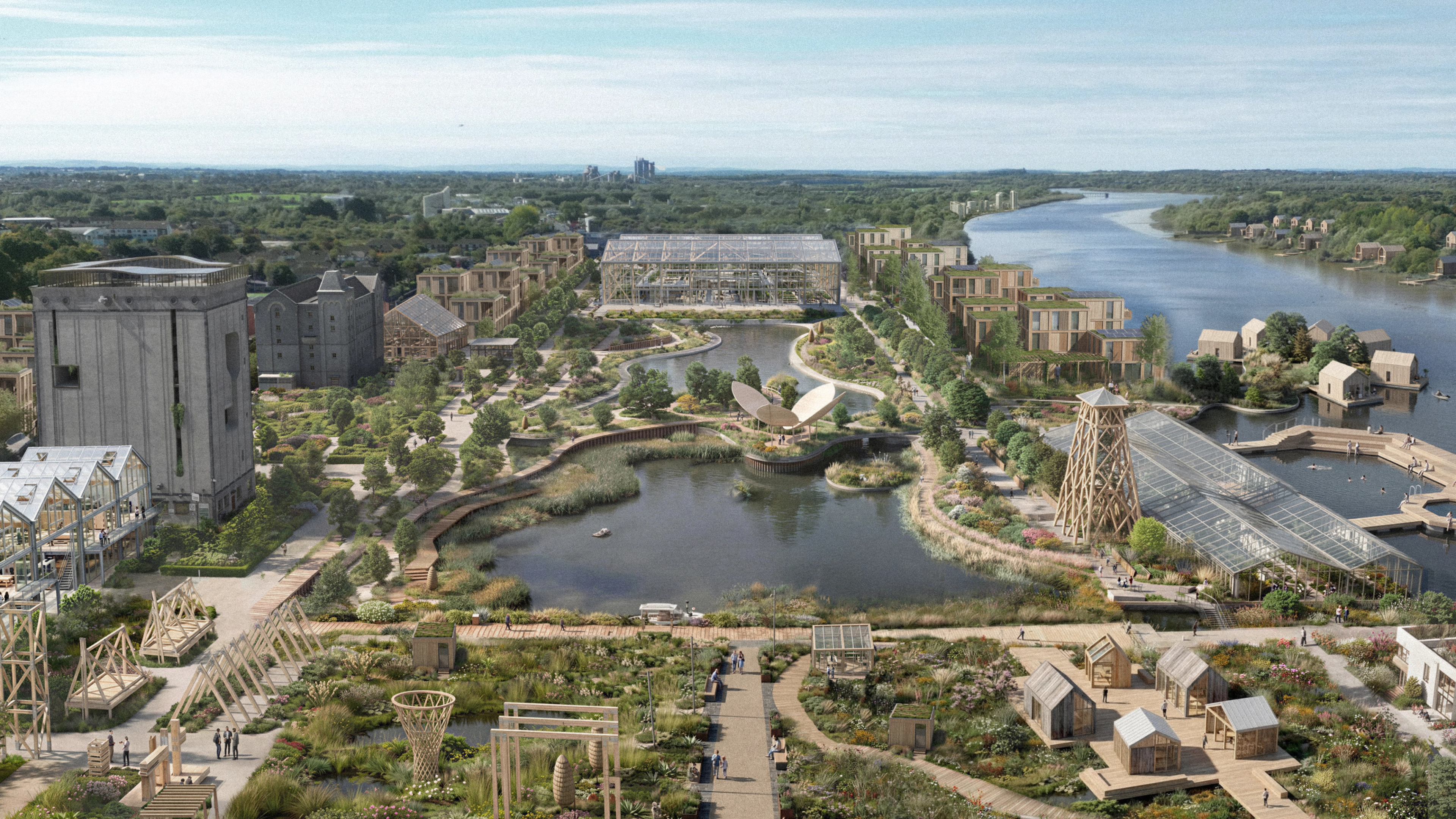
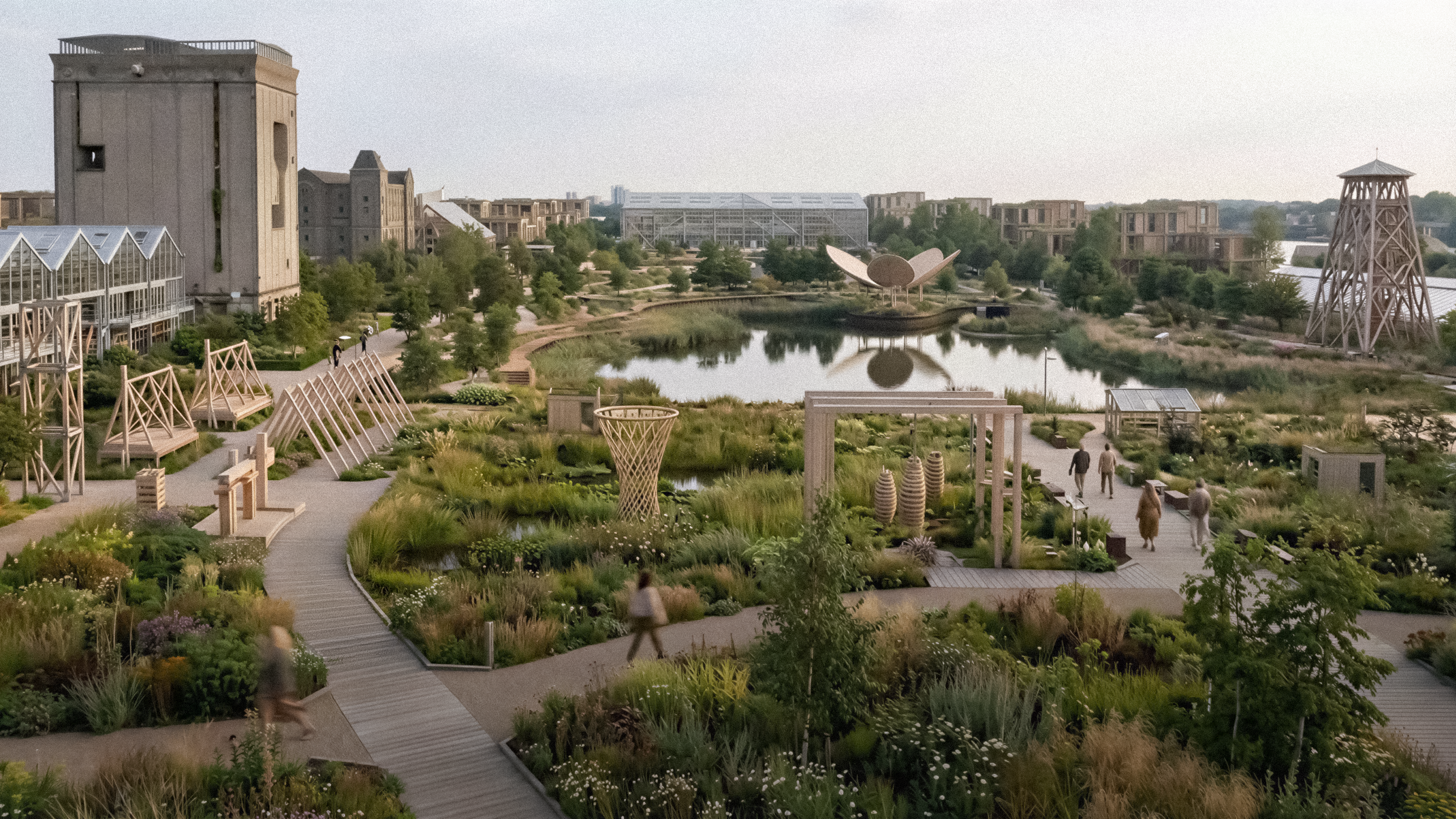
Regenerative Purpose: Practising how neighbourhood resilience grows through adaptive, shared living.
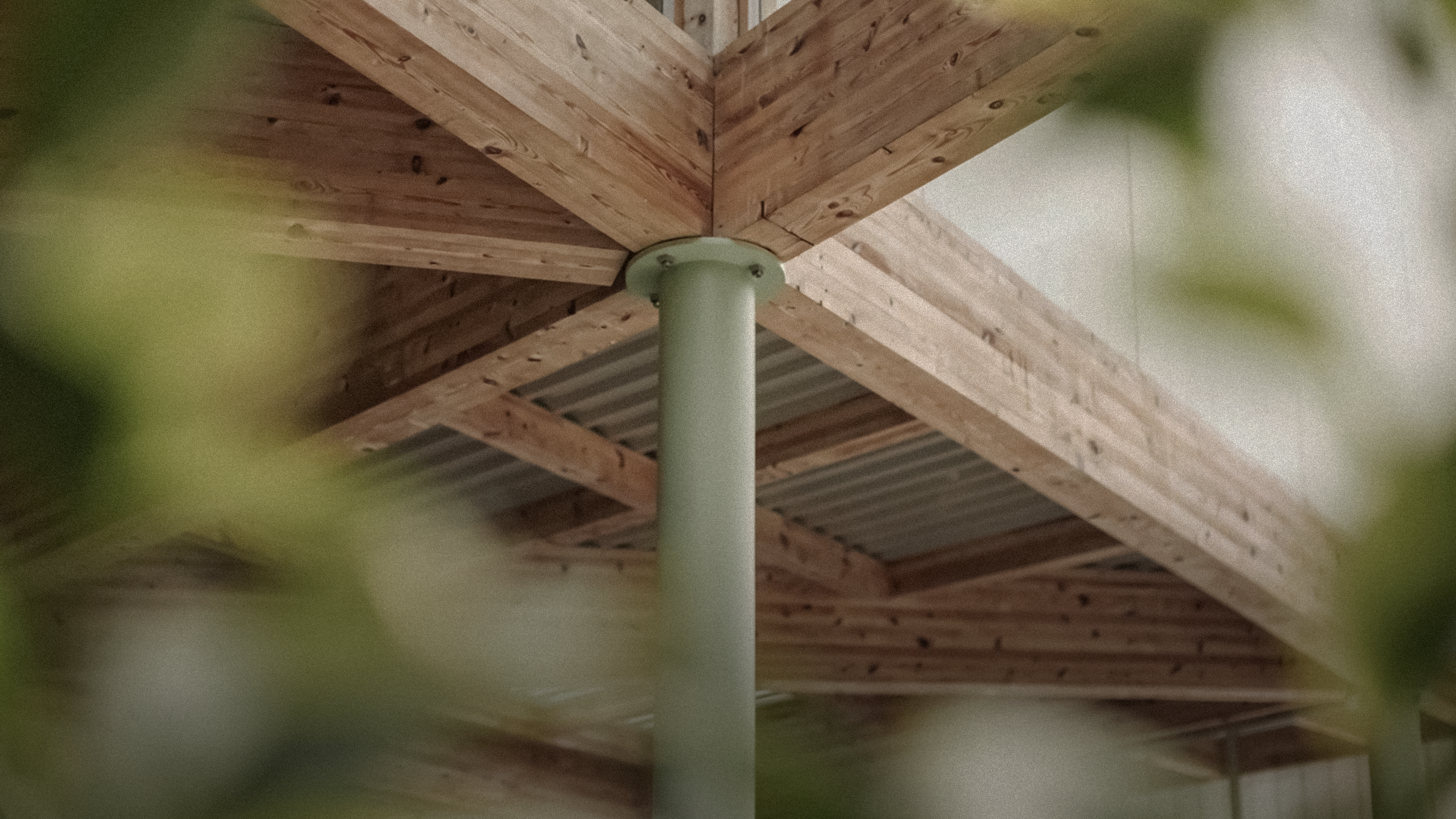
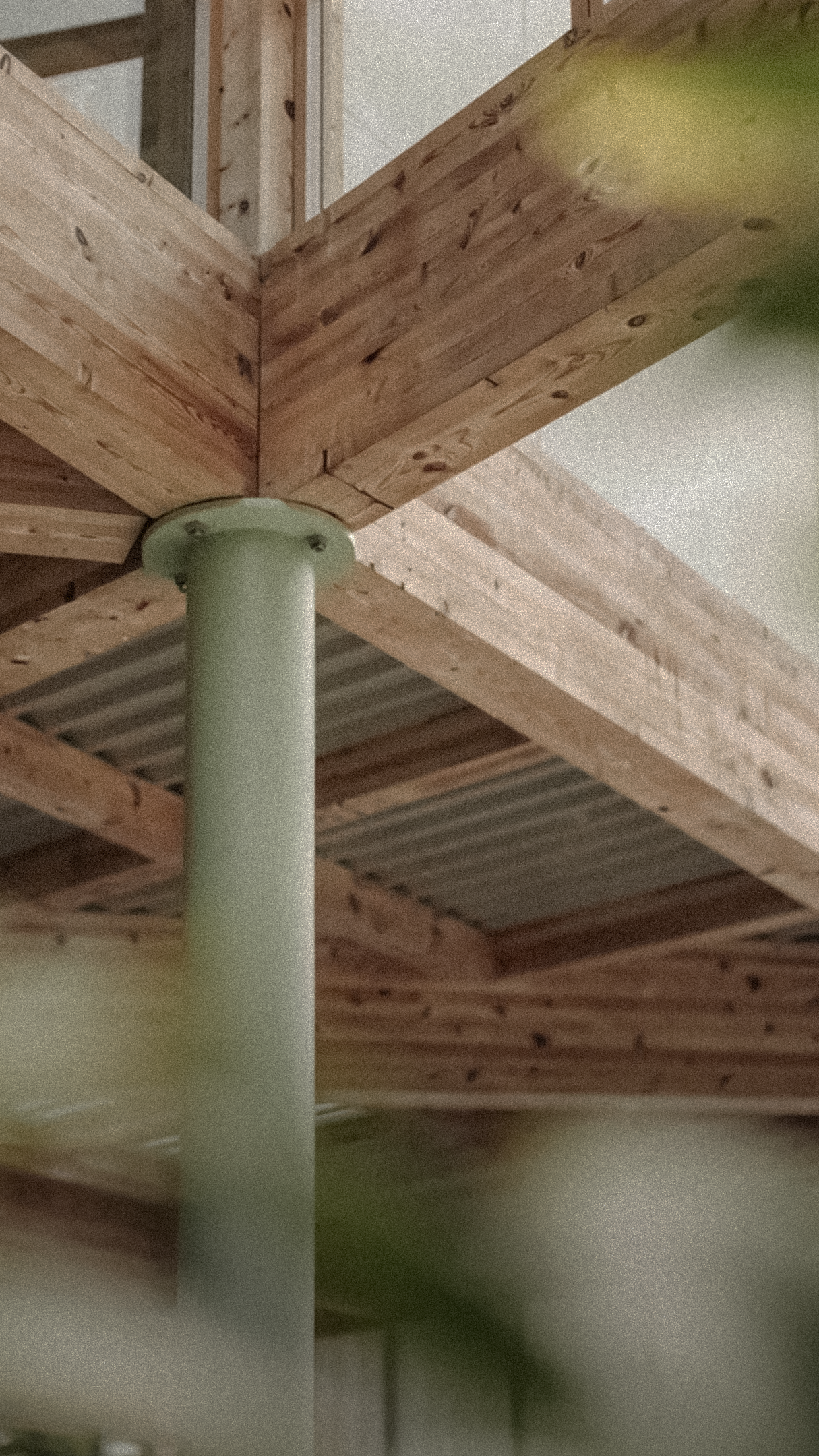
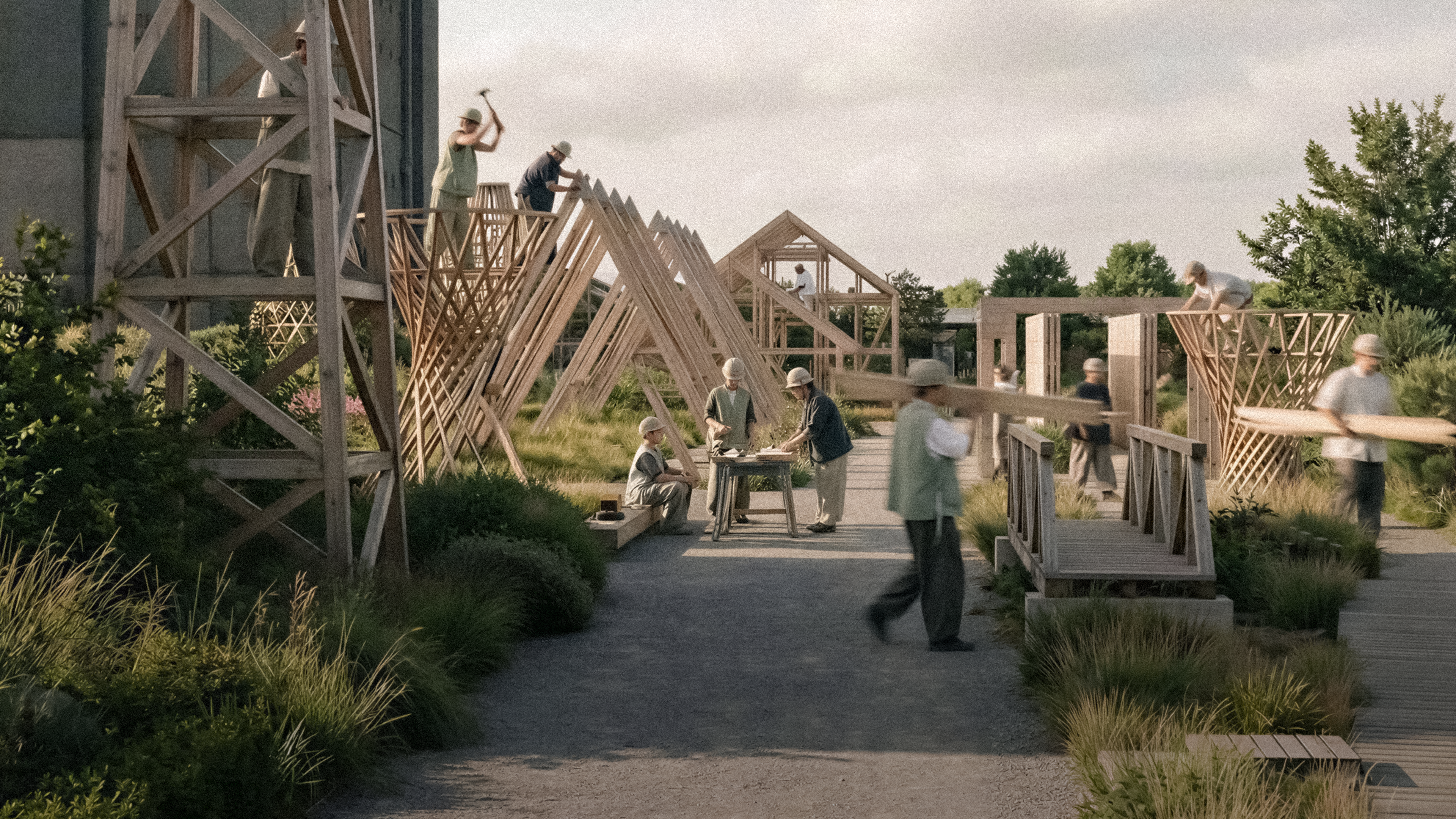
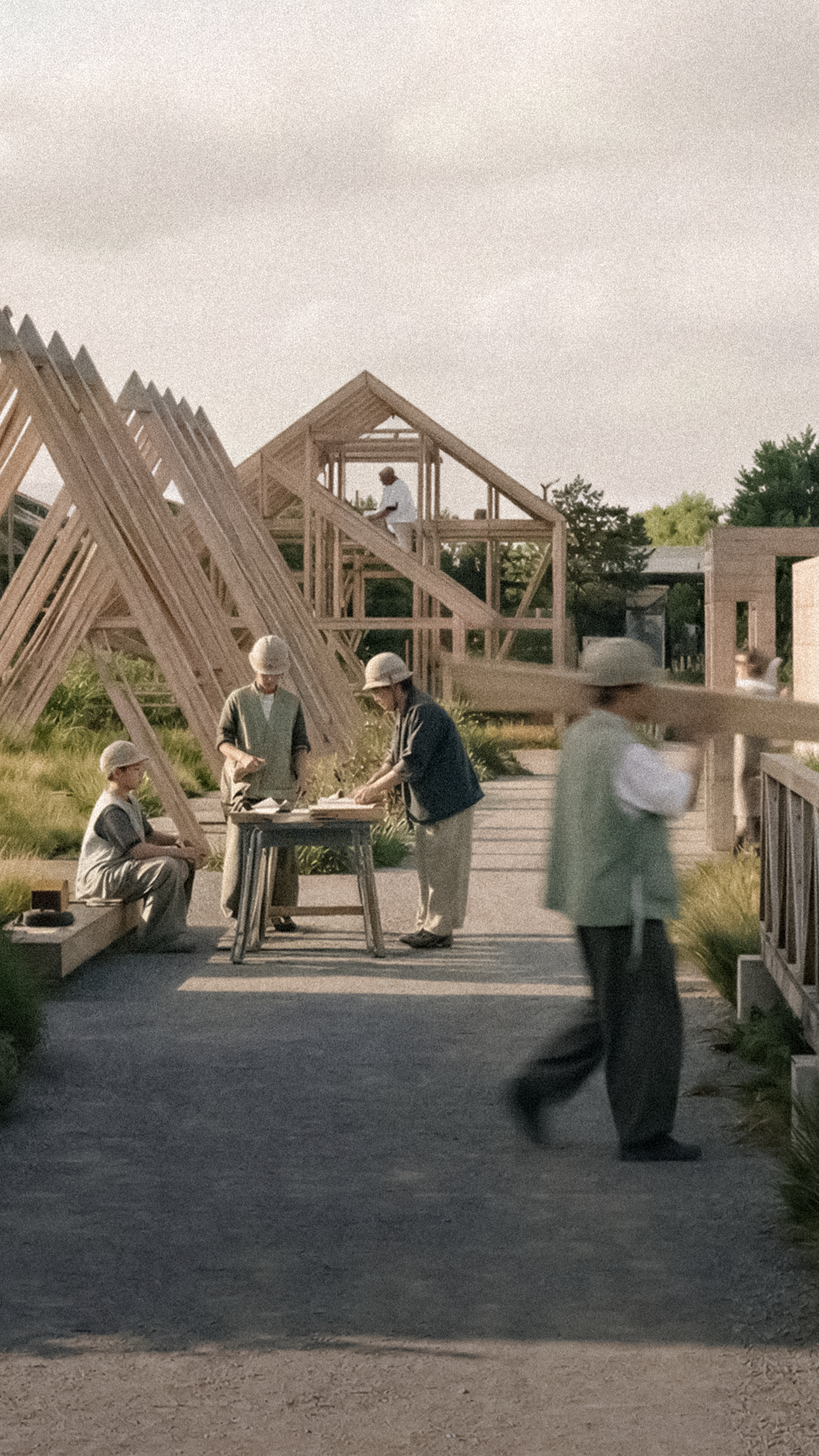
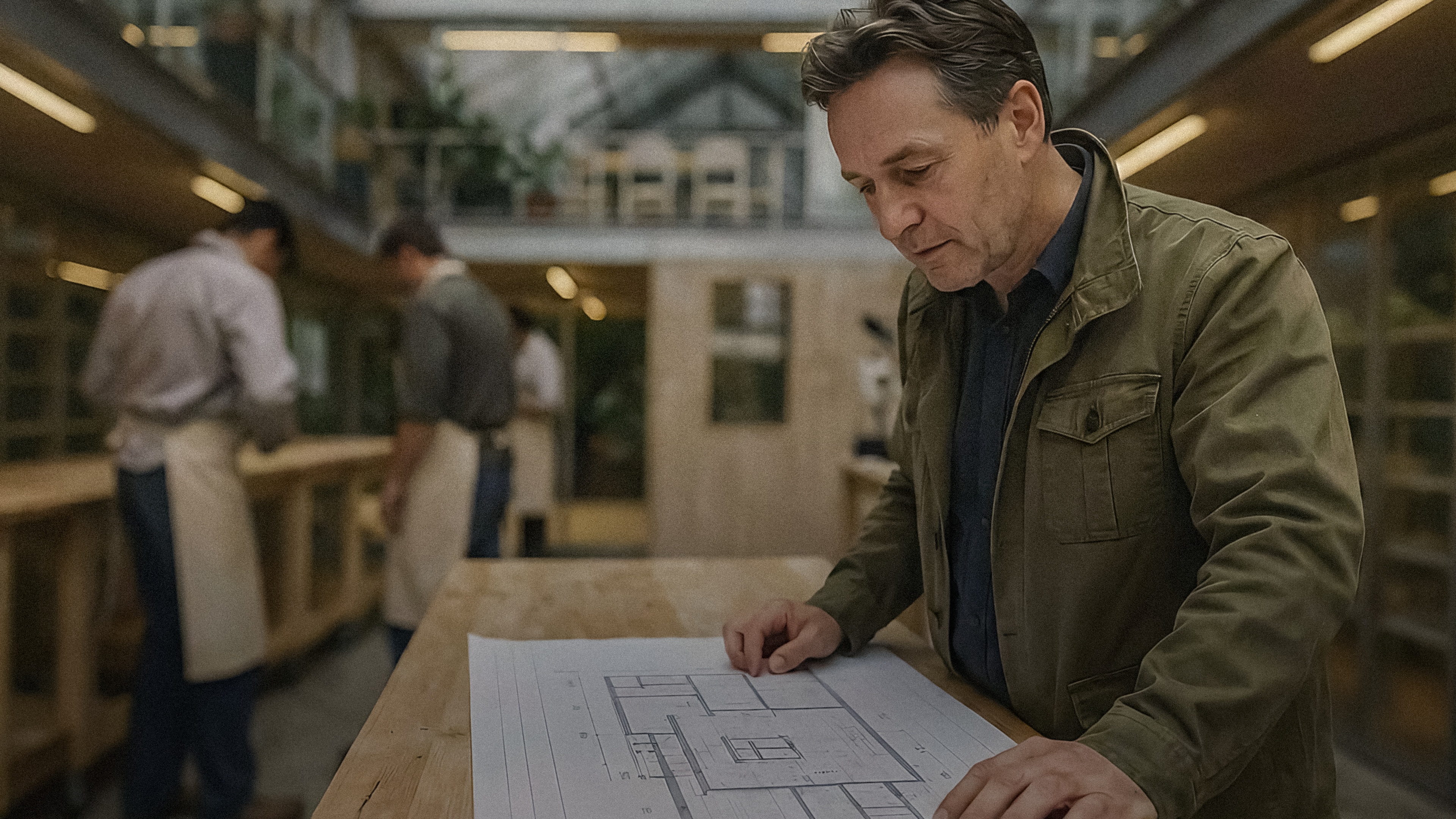
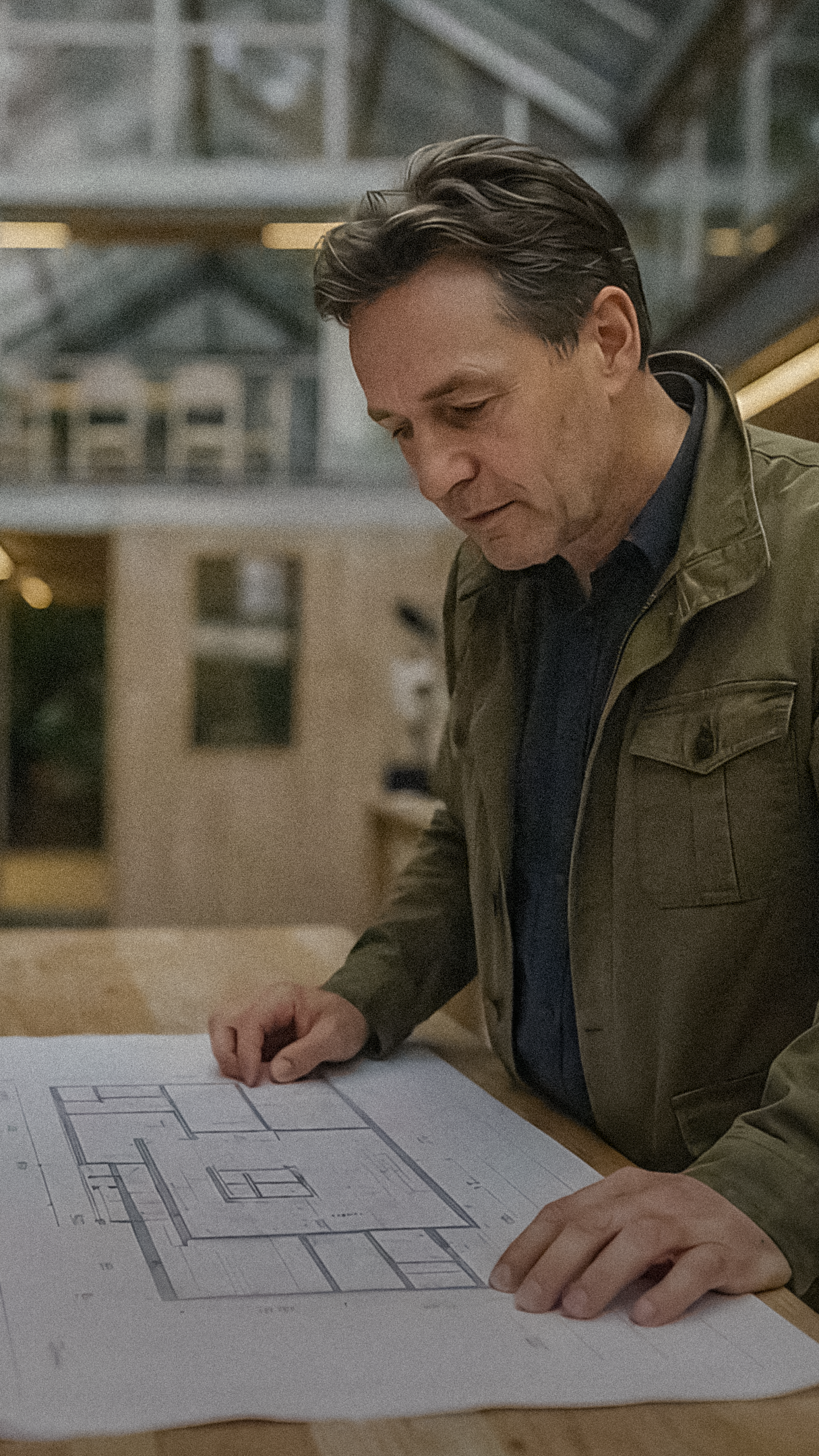
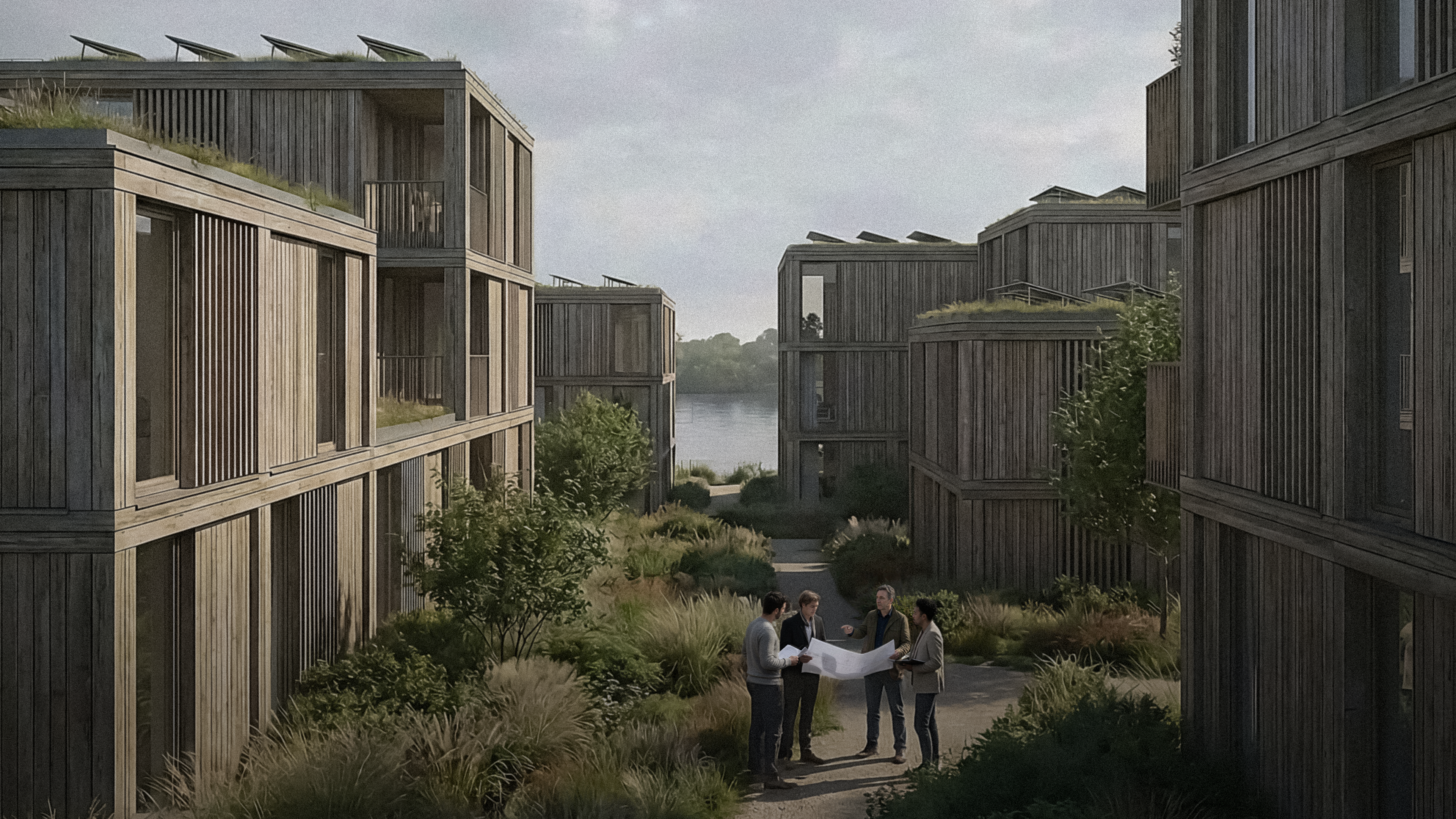
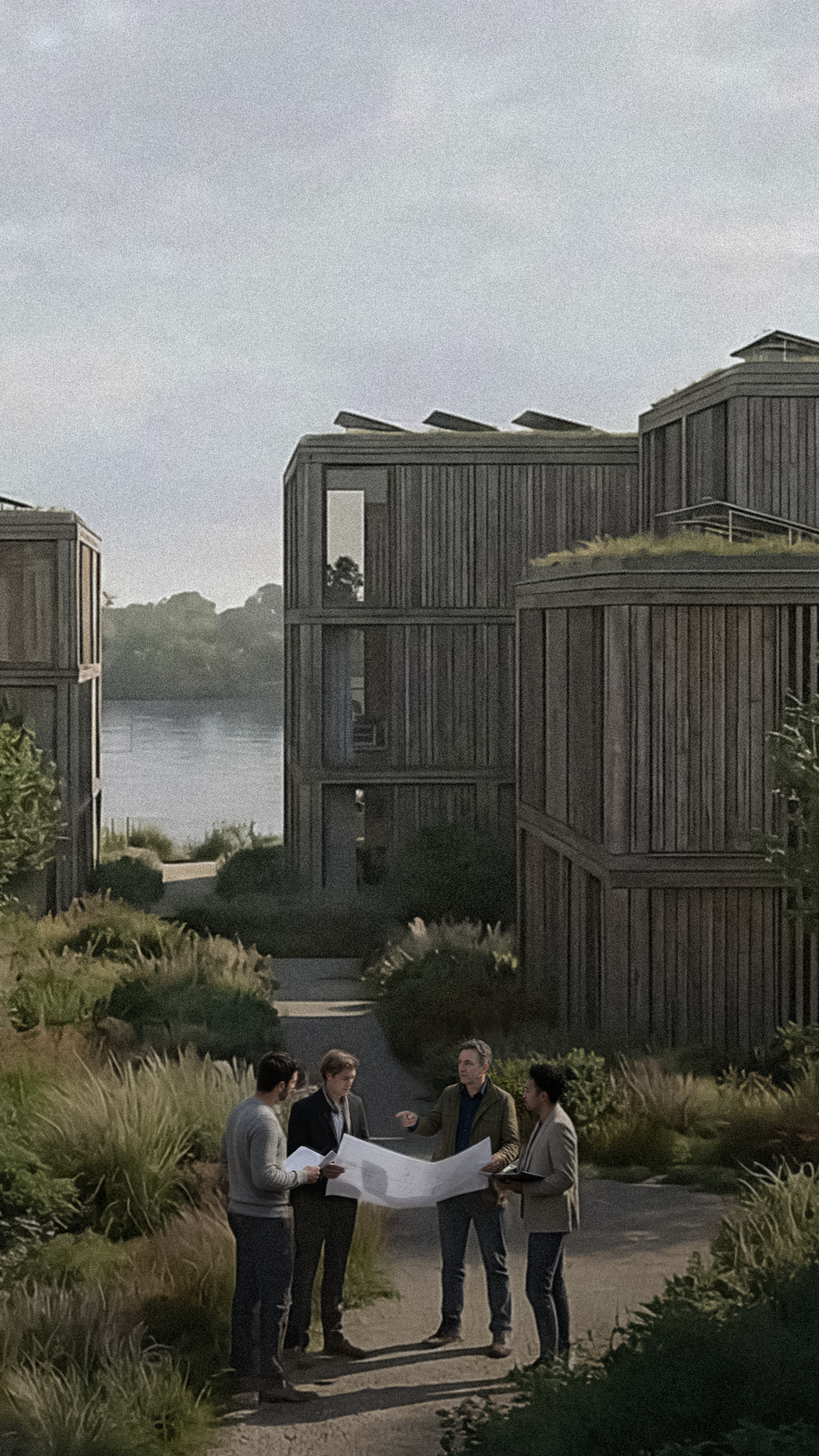
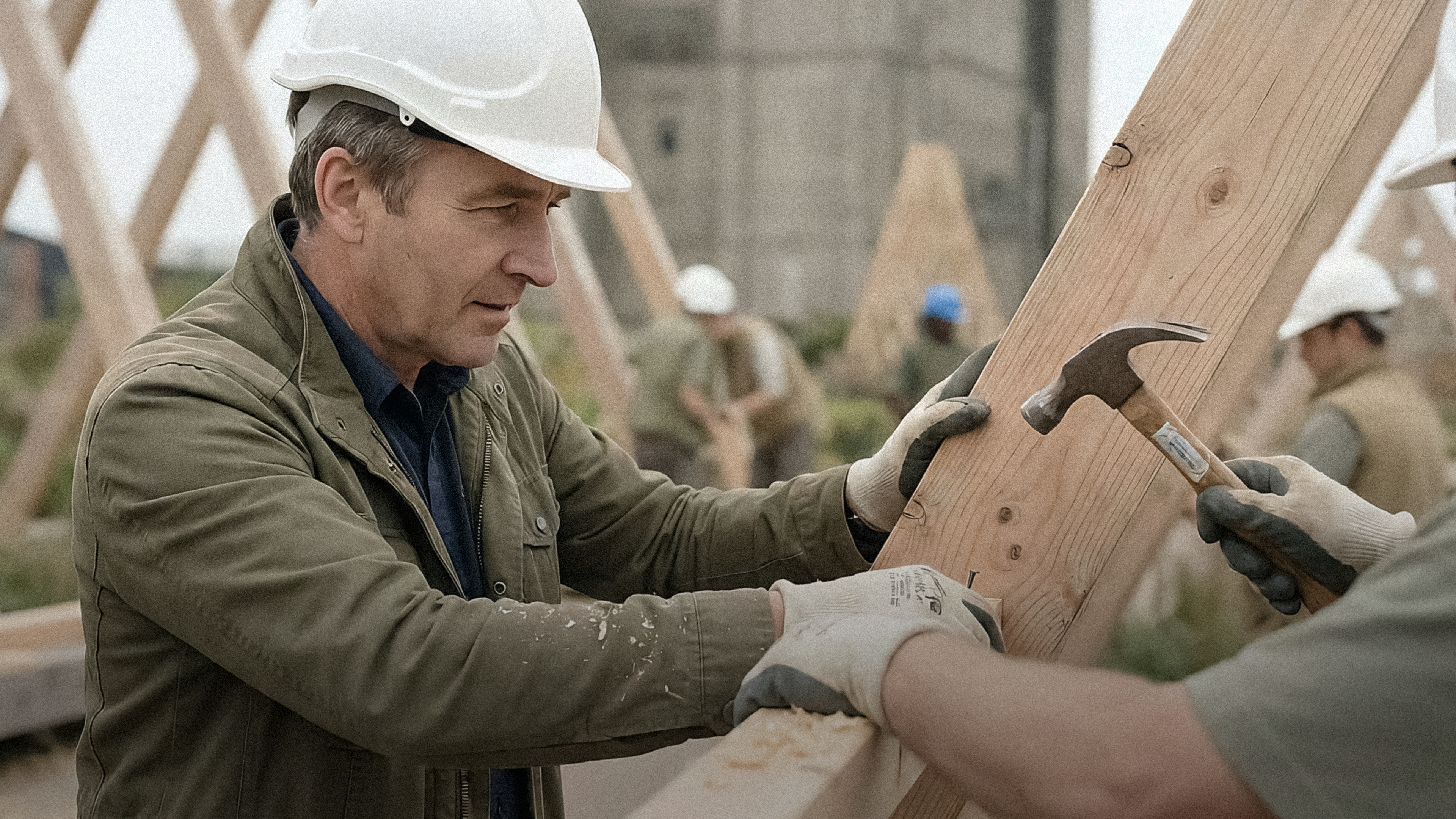
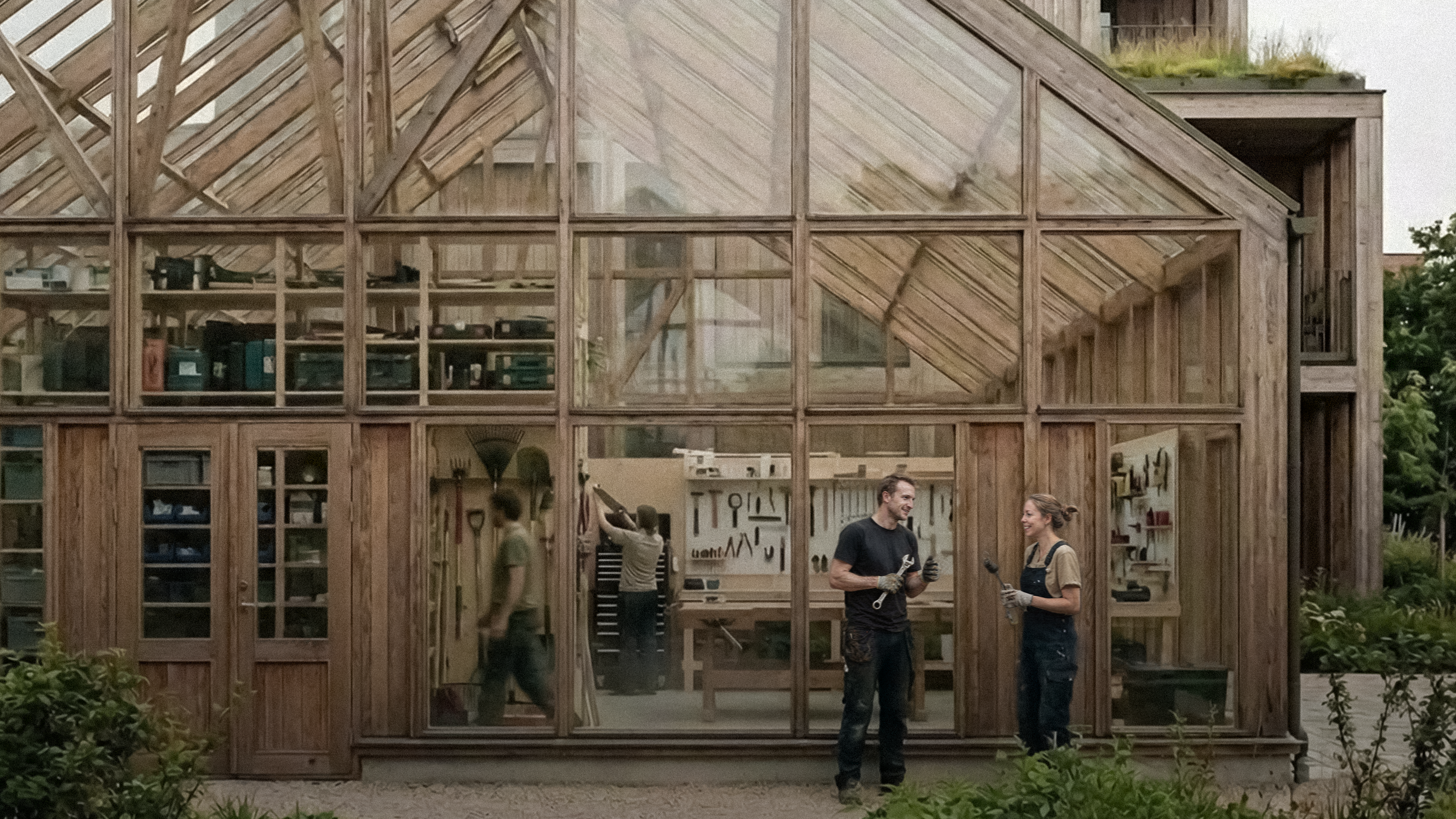
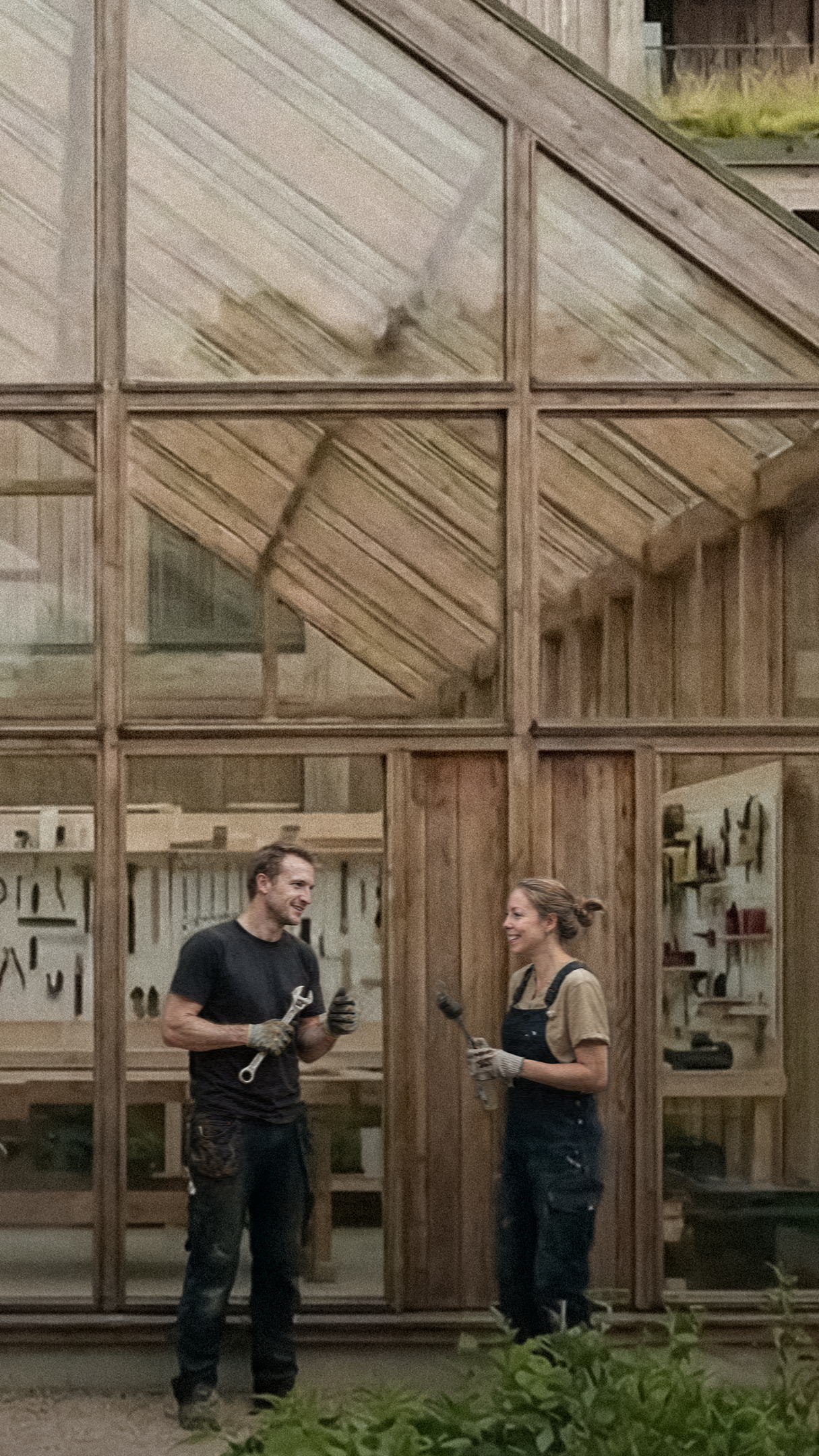
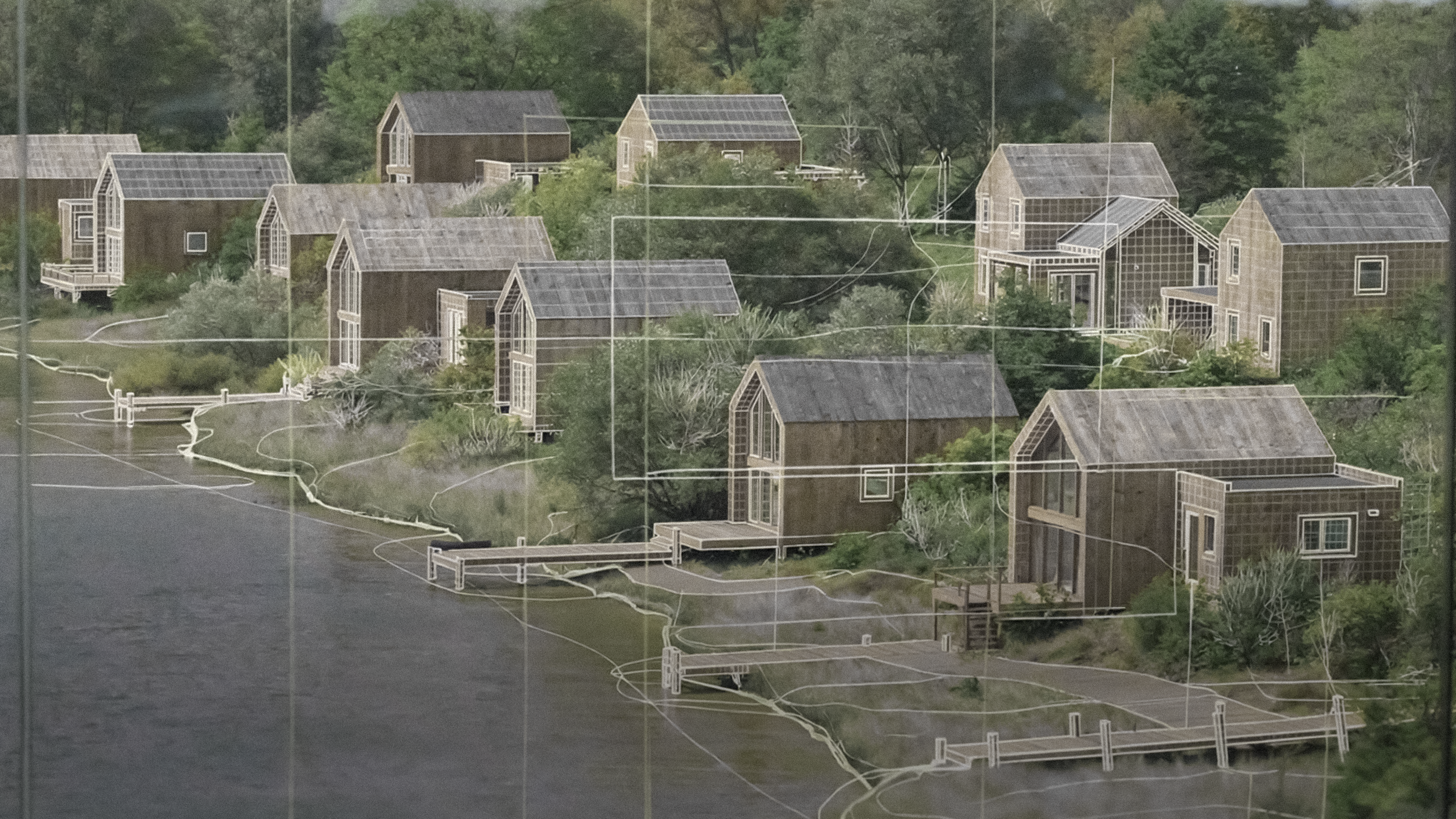
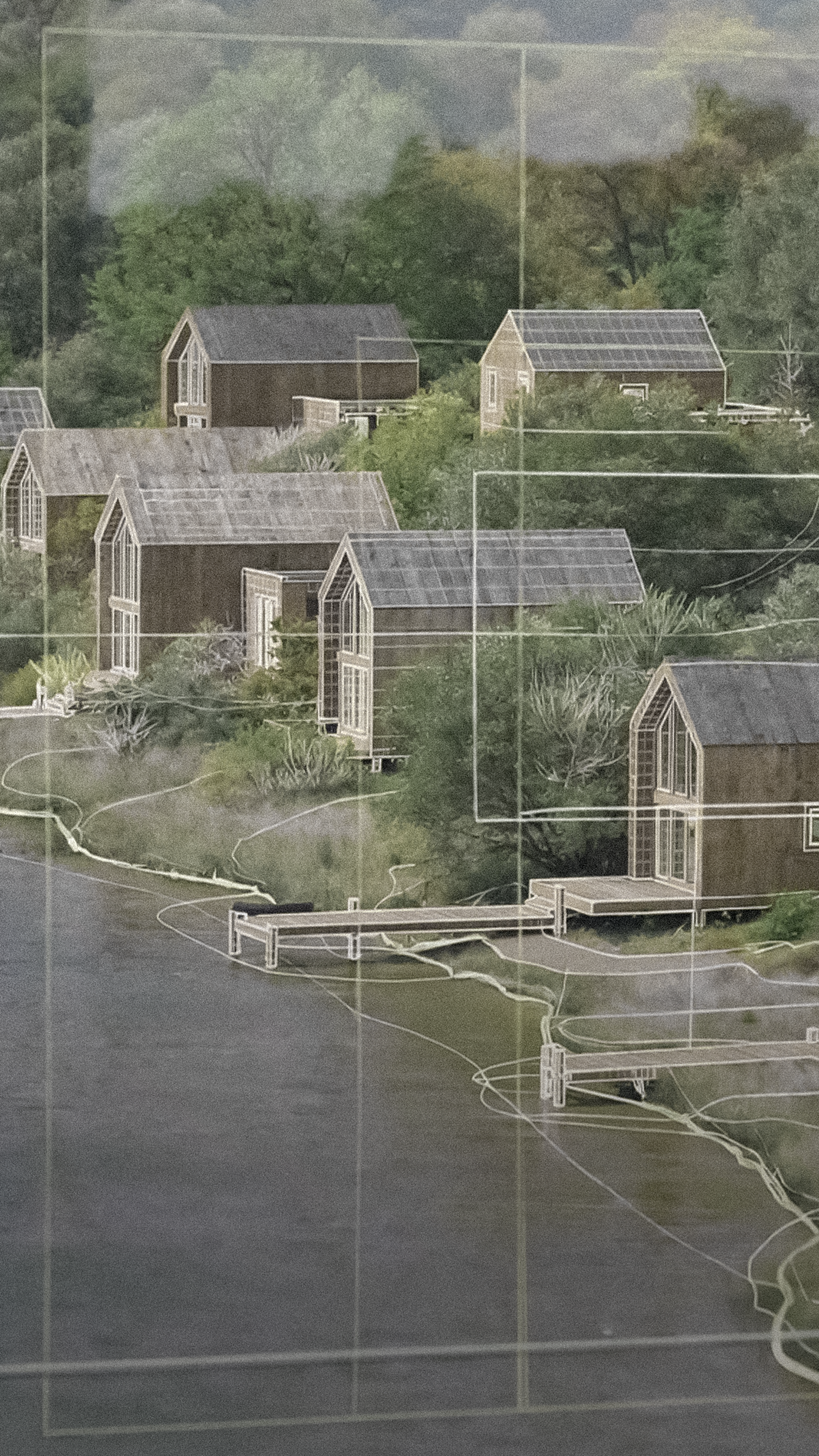
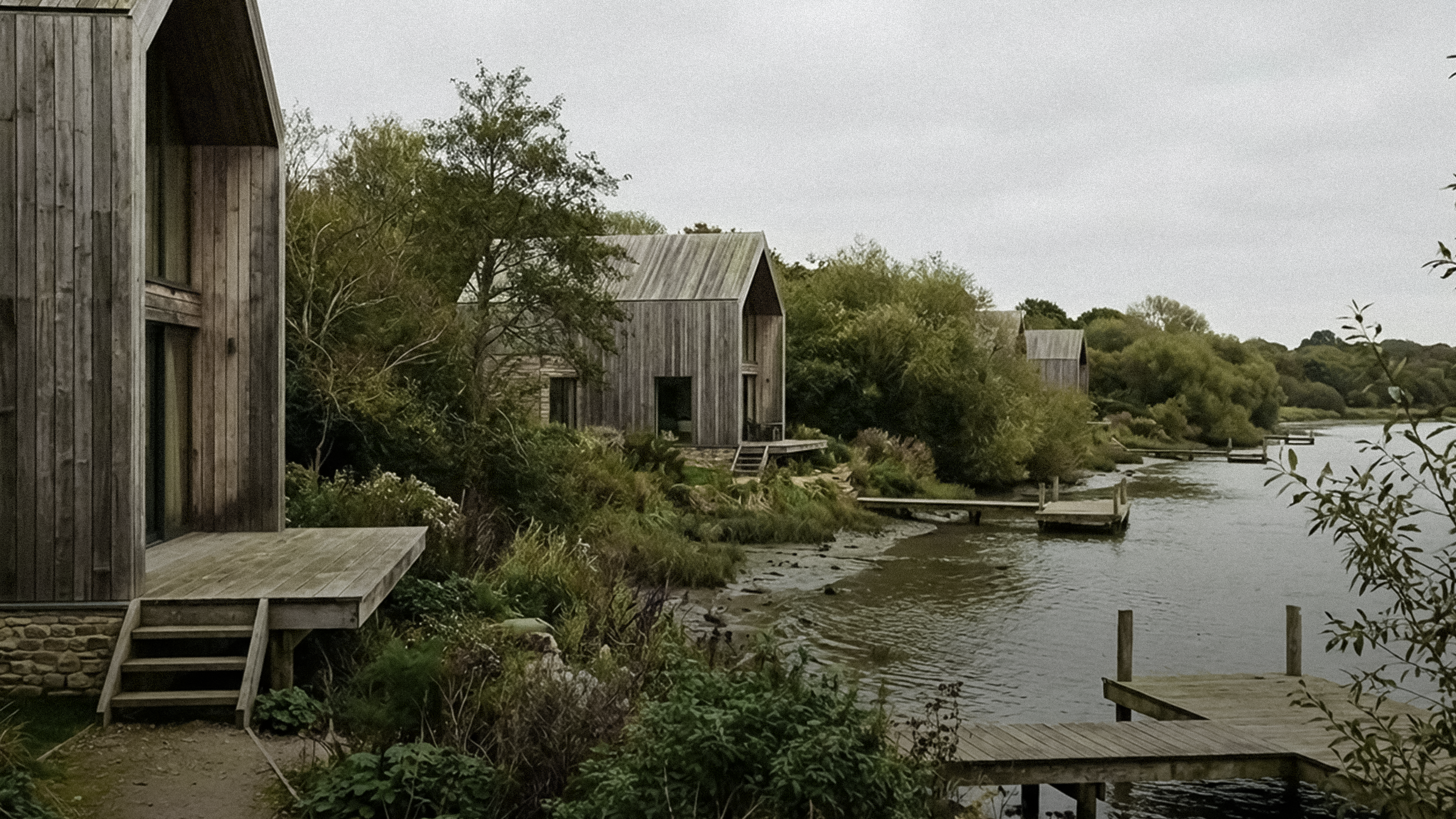
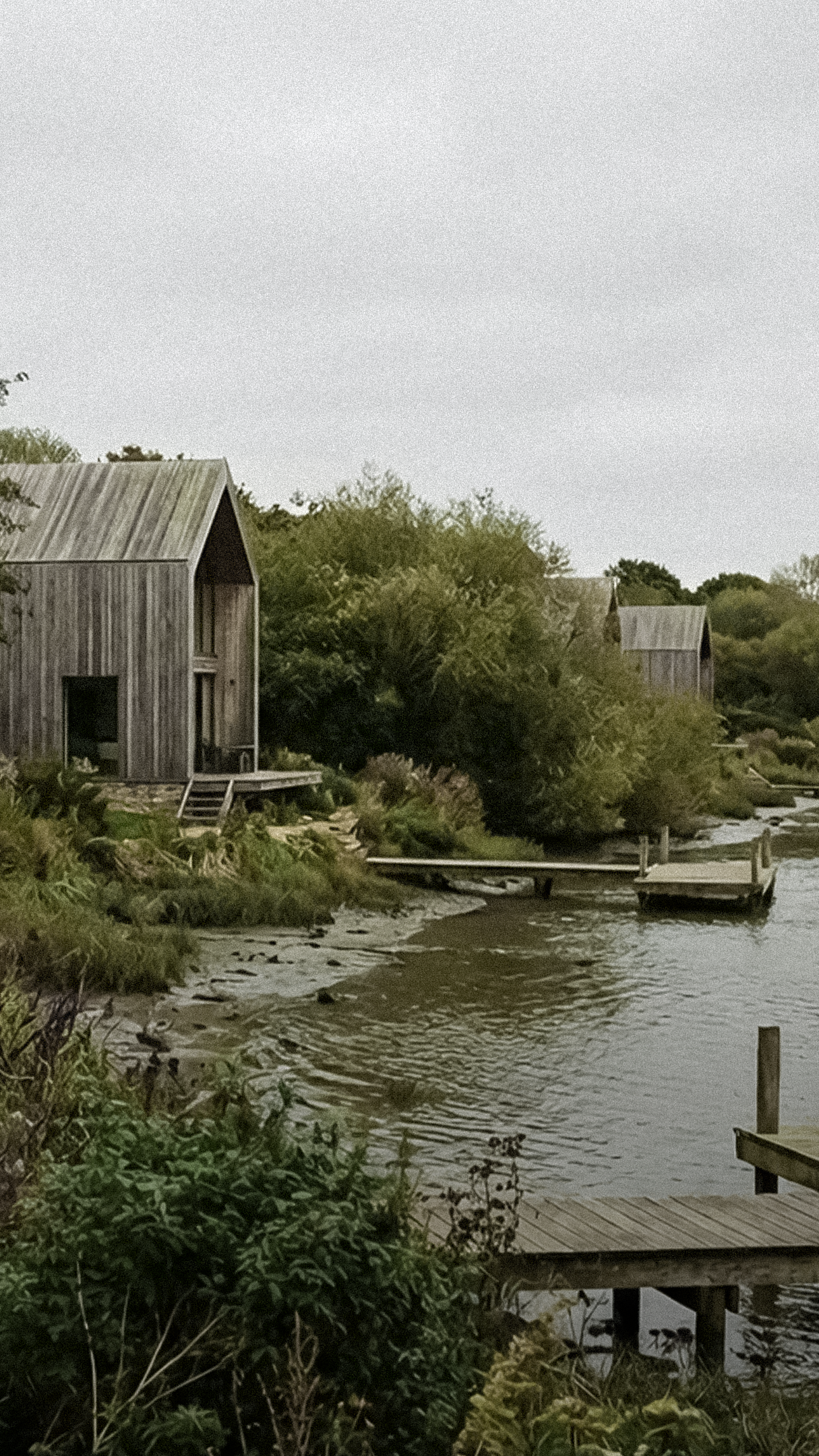
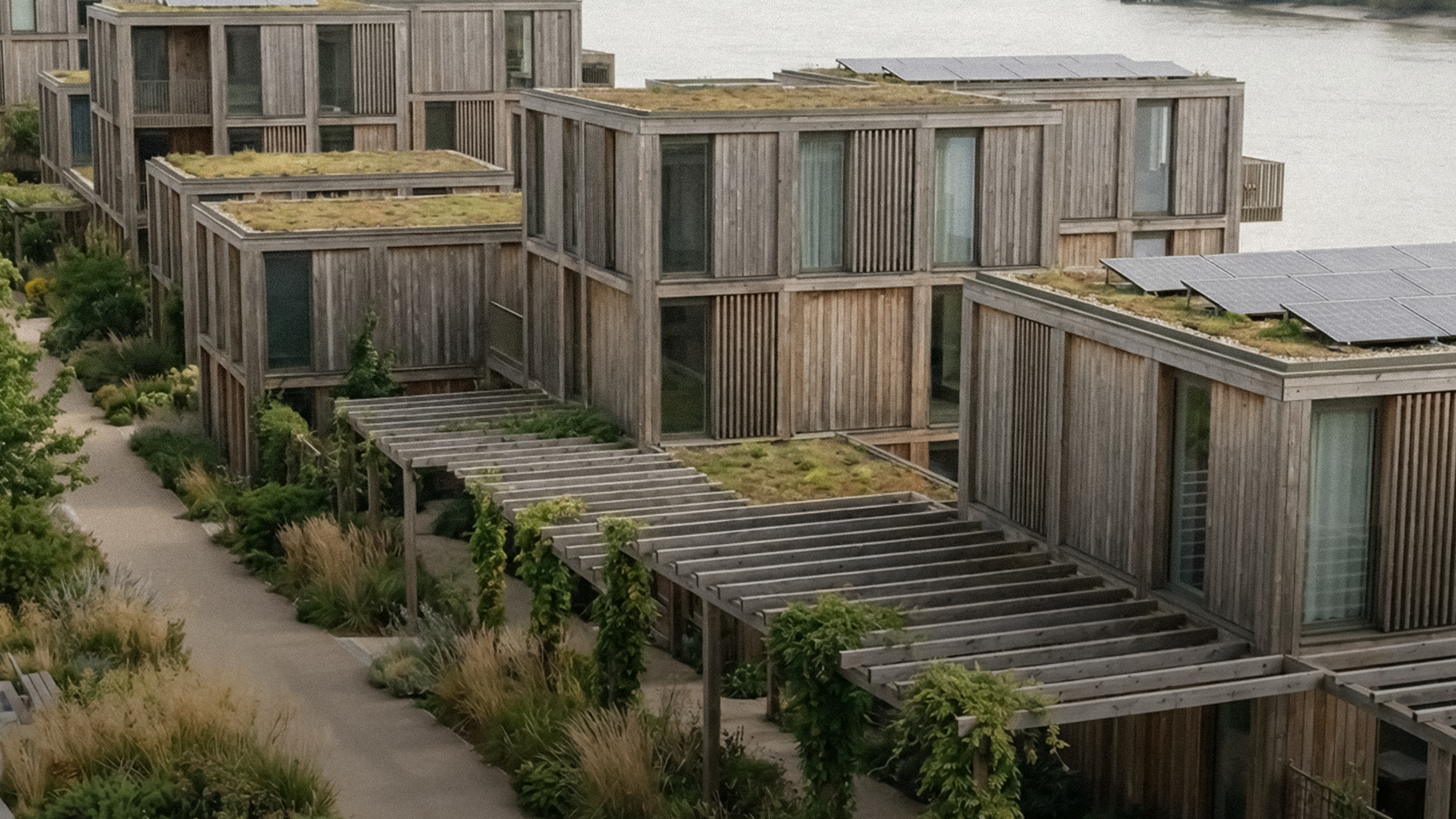
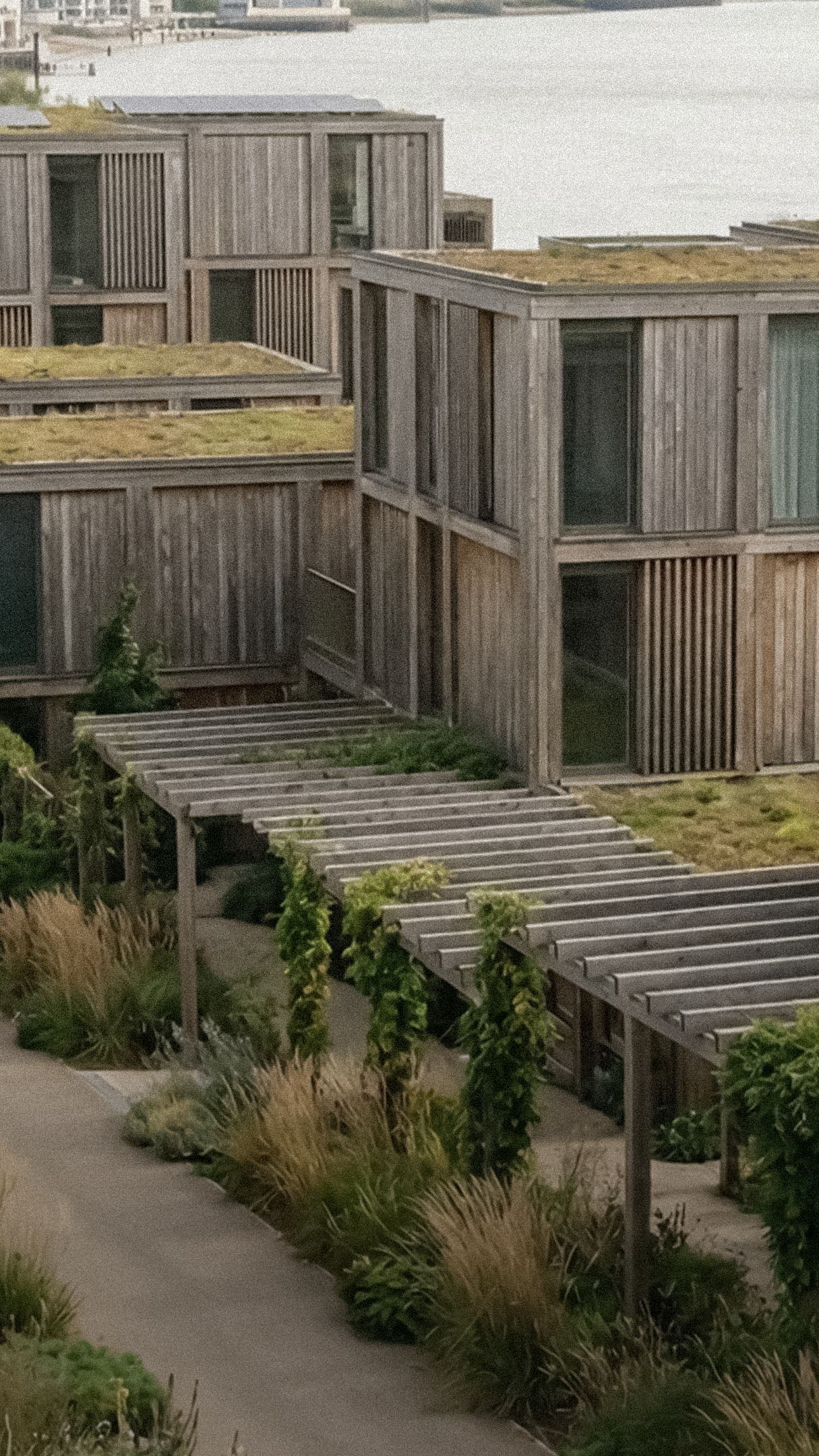
Locally sourced and reclaimed timber dwellings designed for disassembly, expansion, and reconfiguration as needs change.
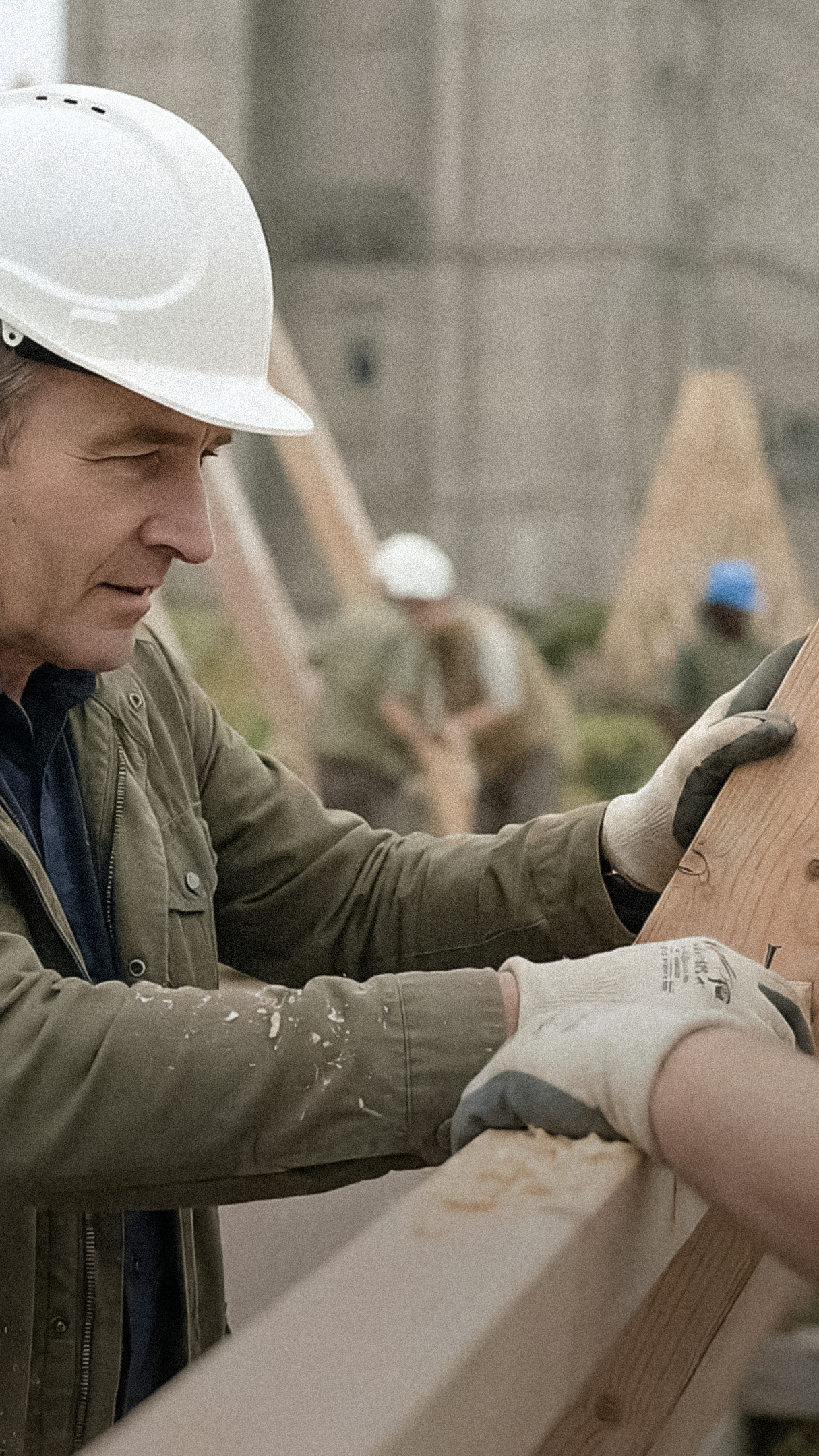
A shared store of building panels, tools, and technical support pooled across households for adaptation.
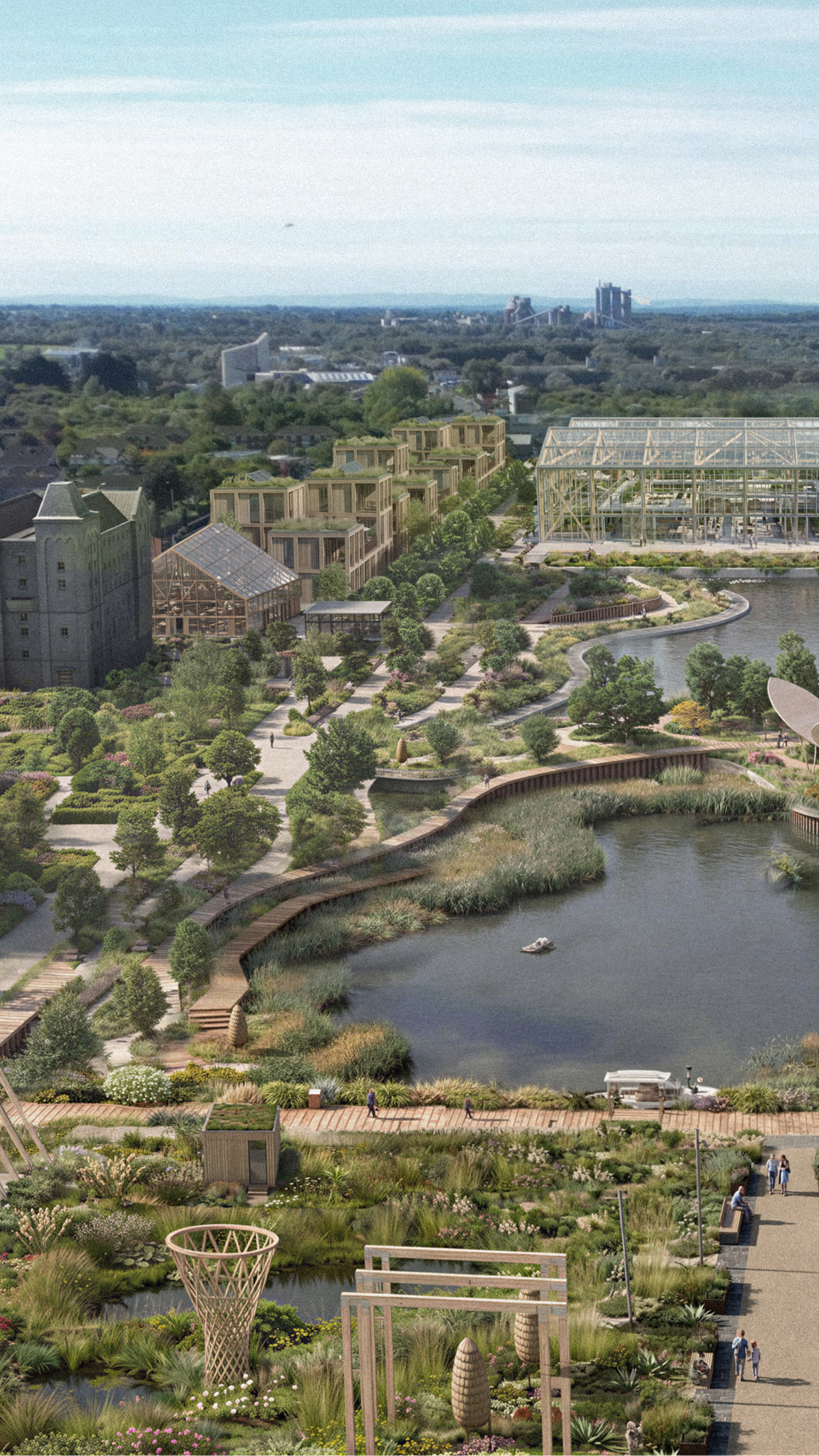
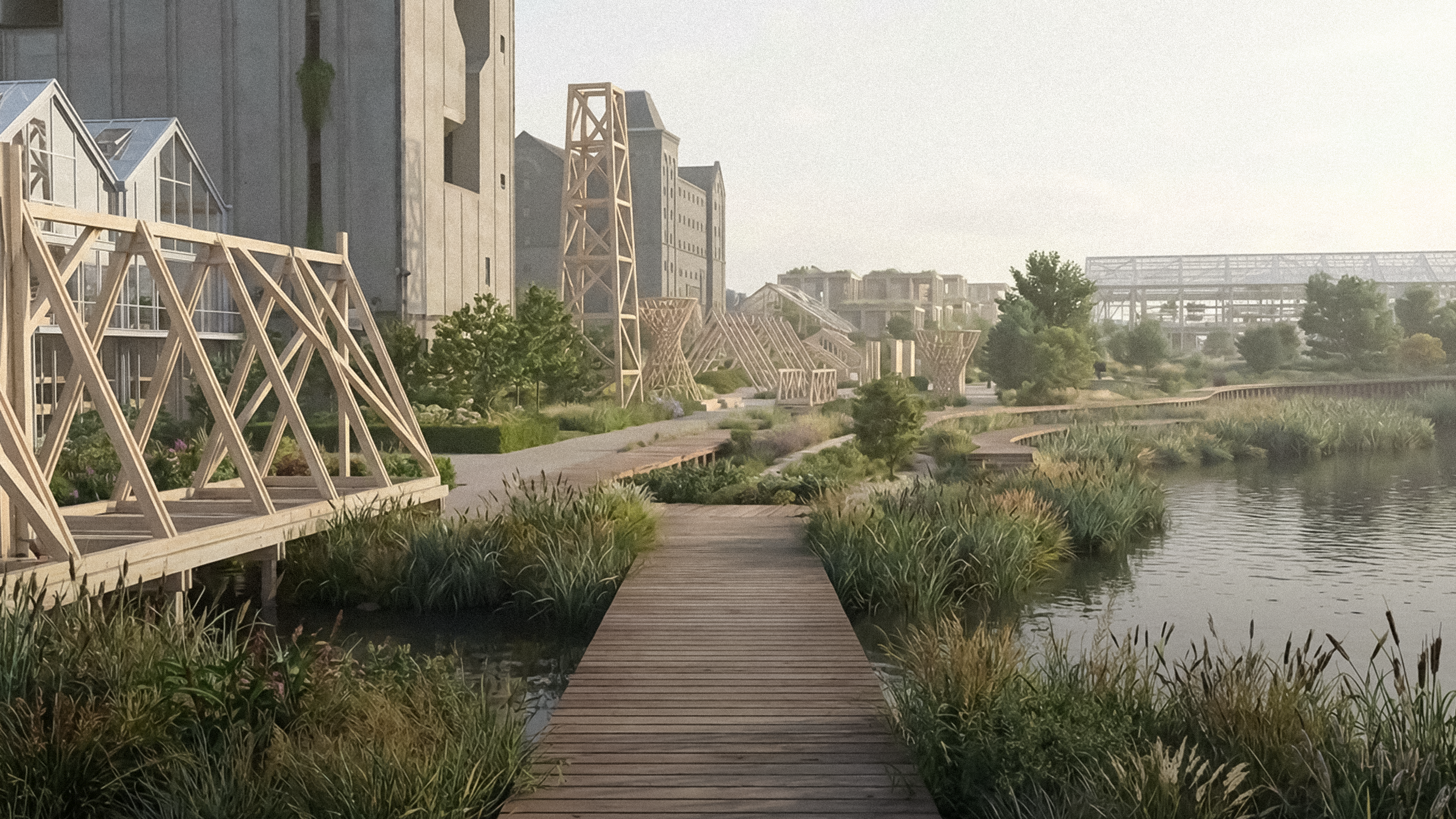
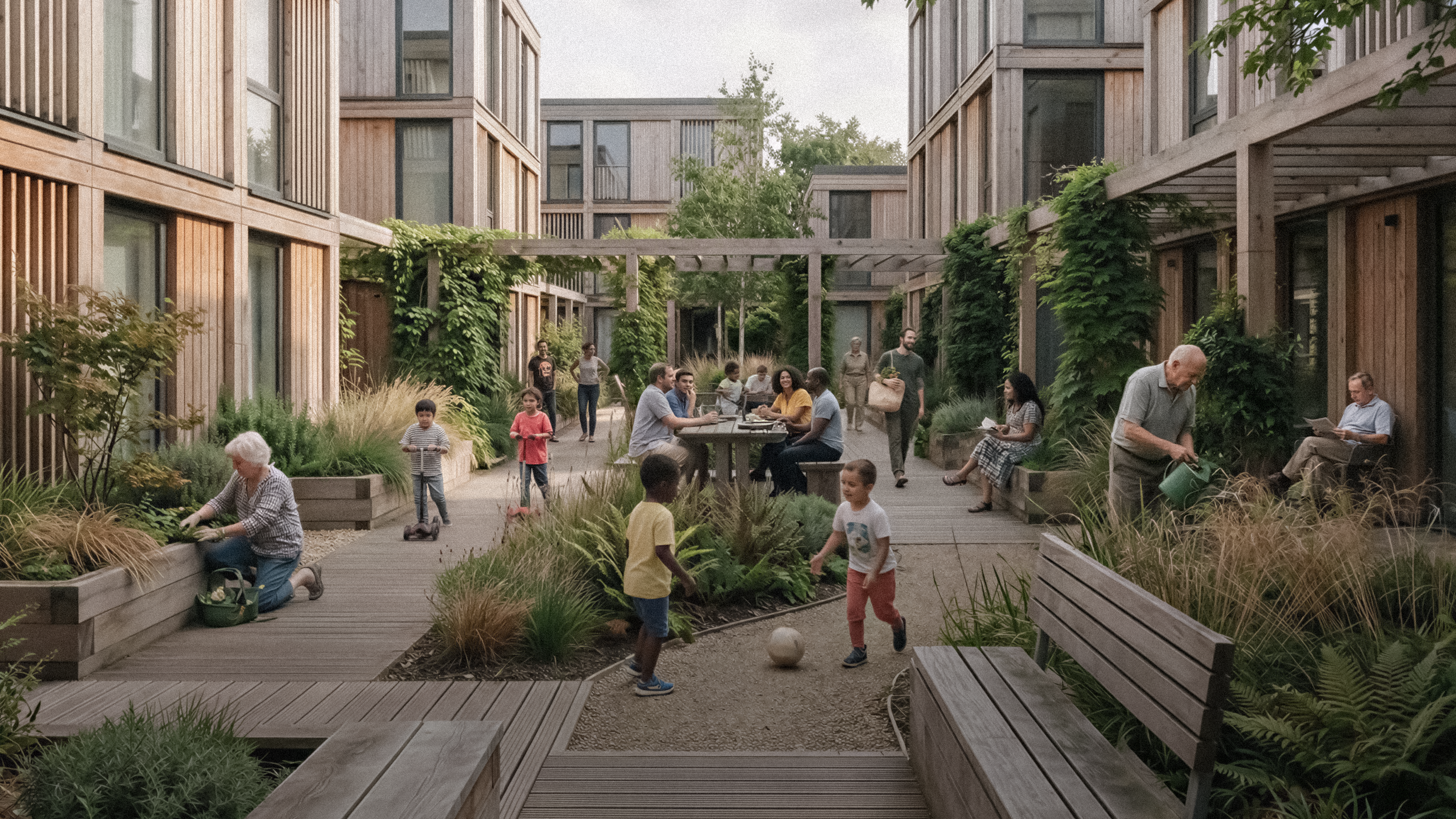
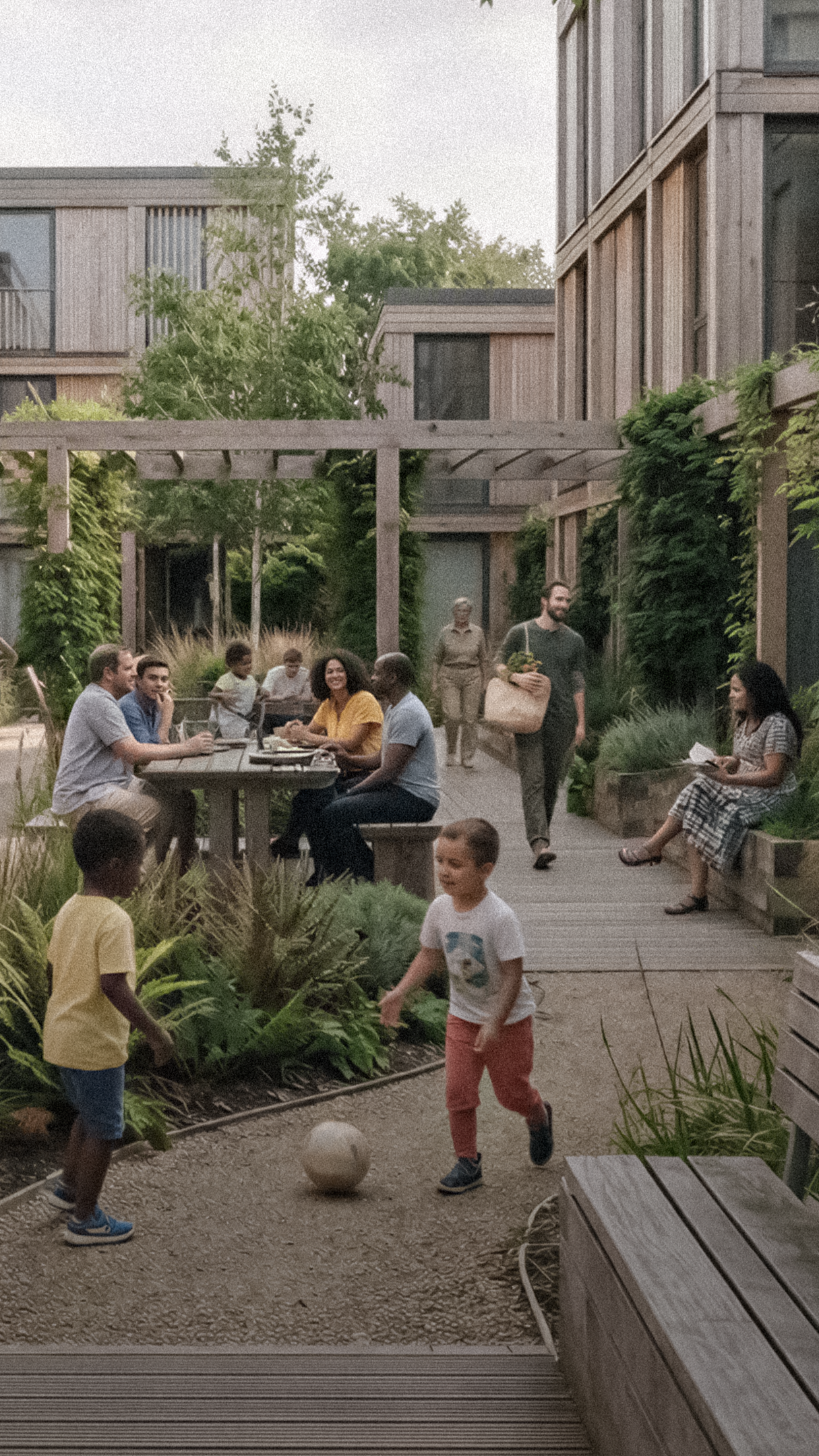
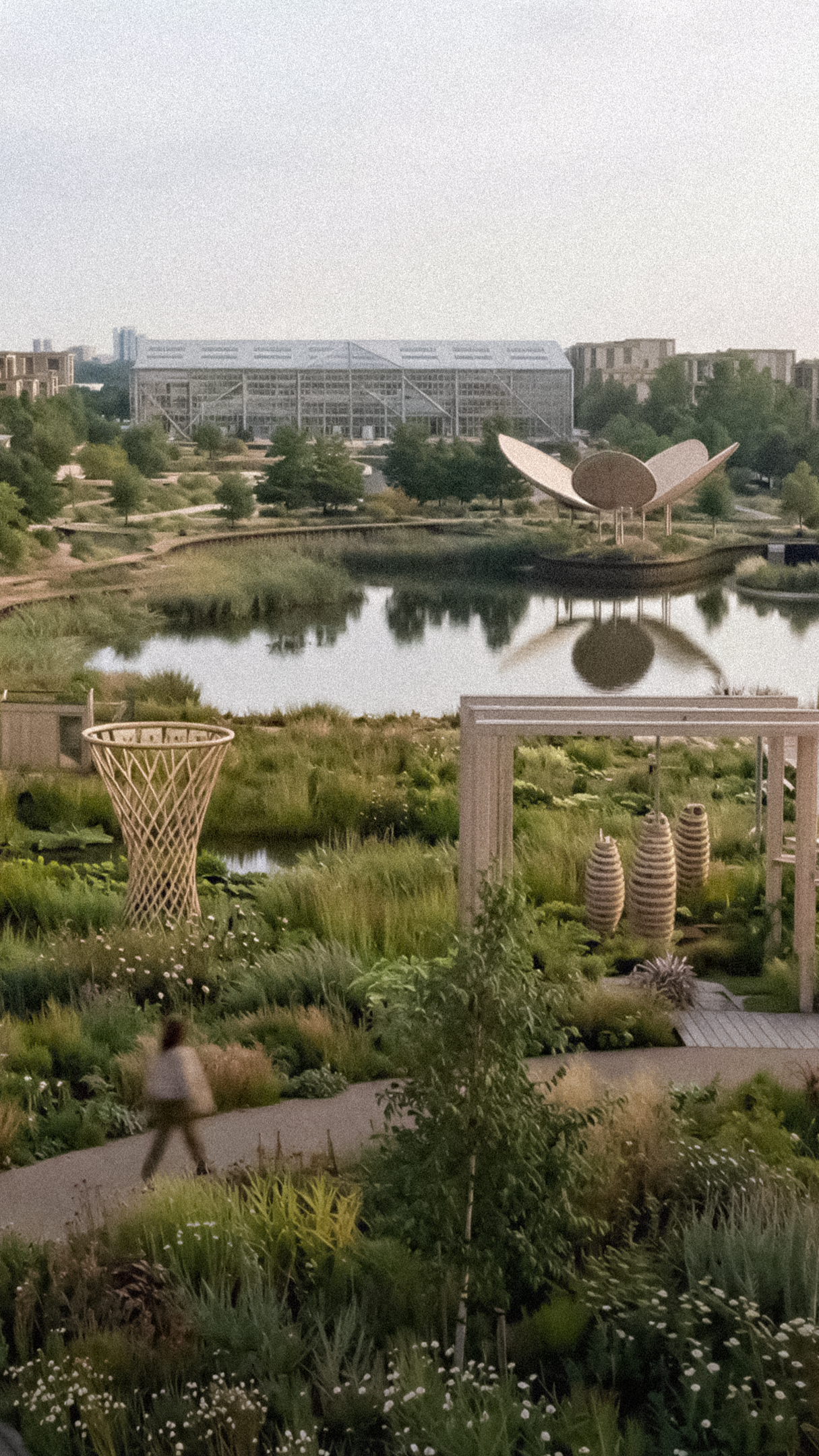
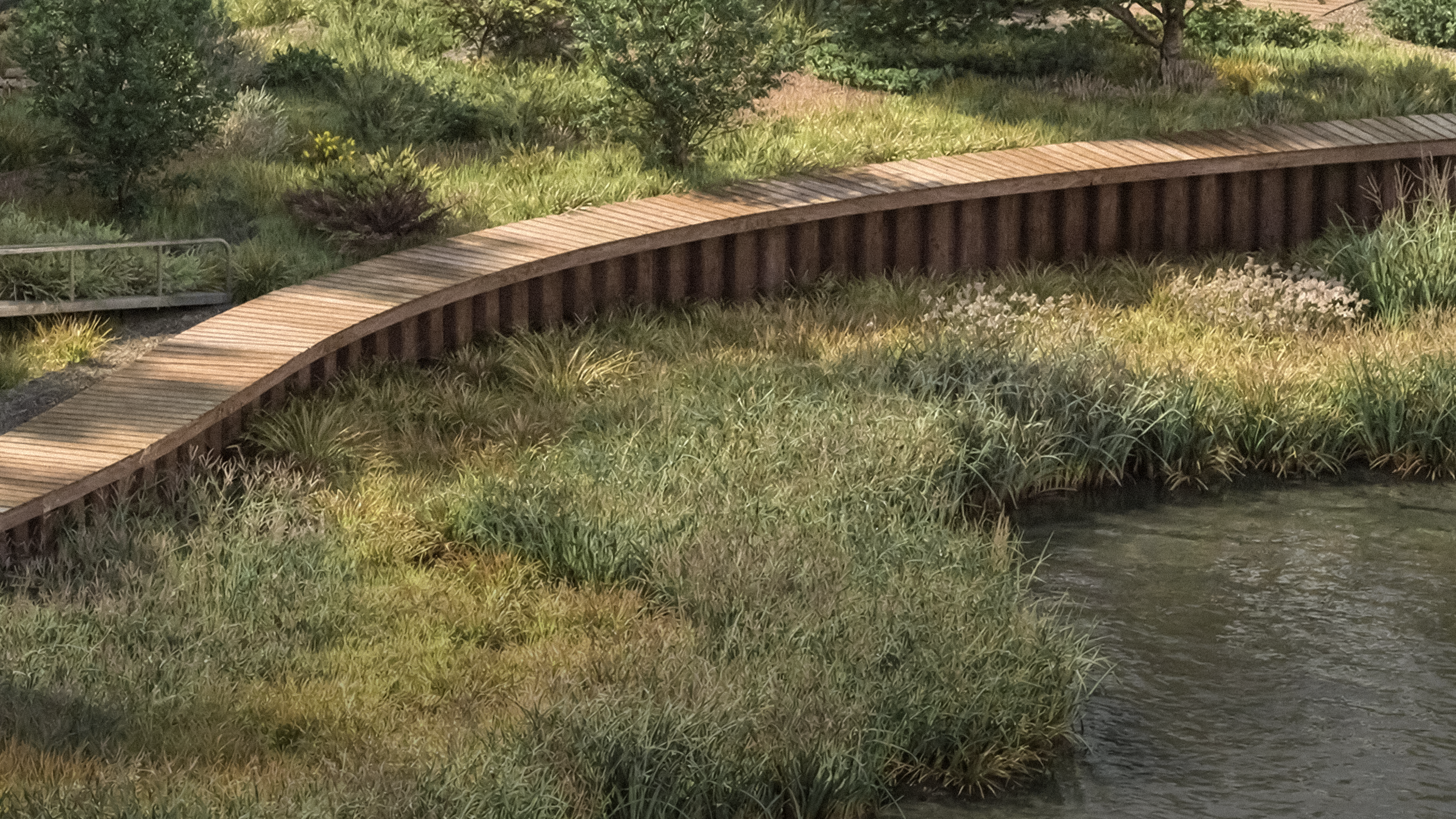
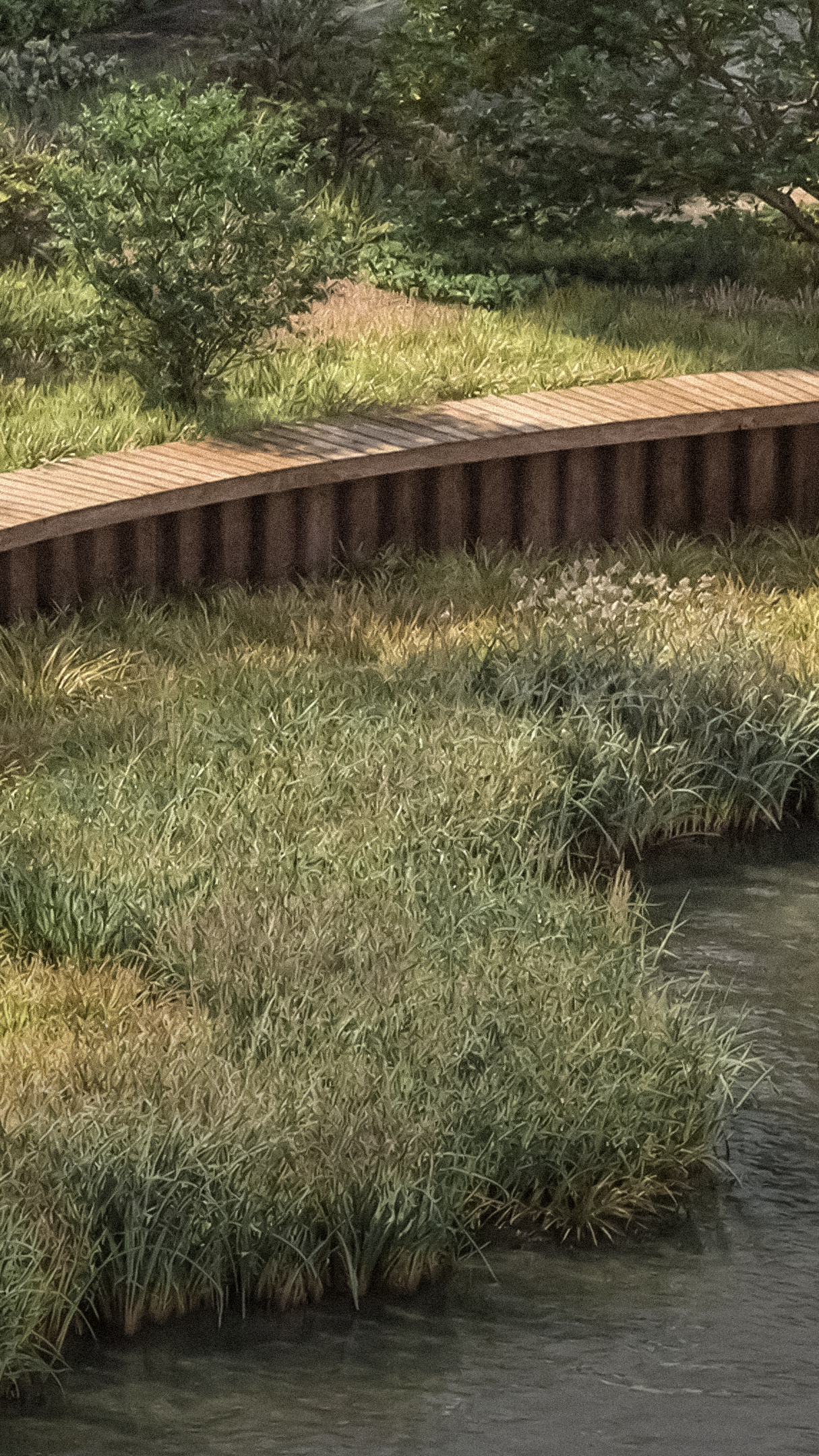
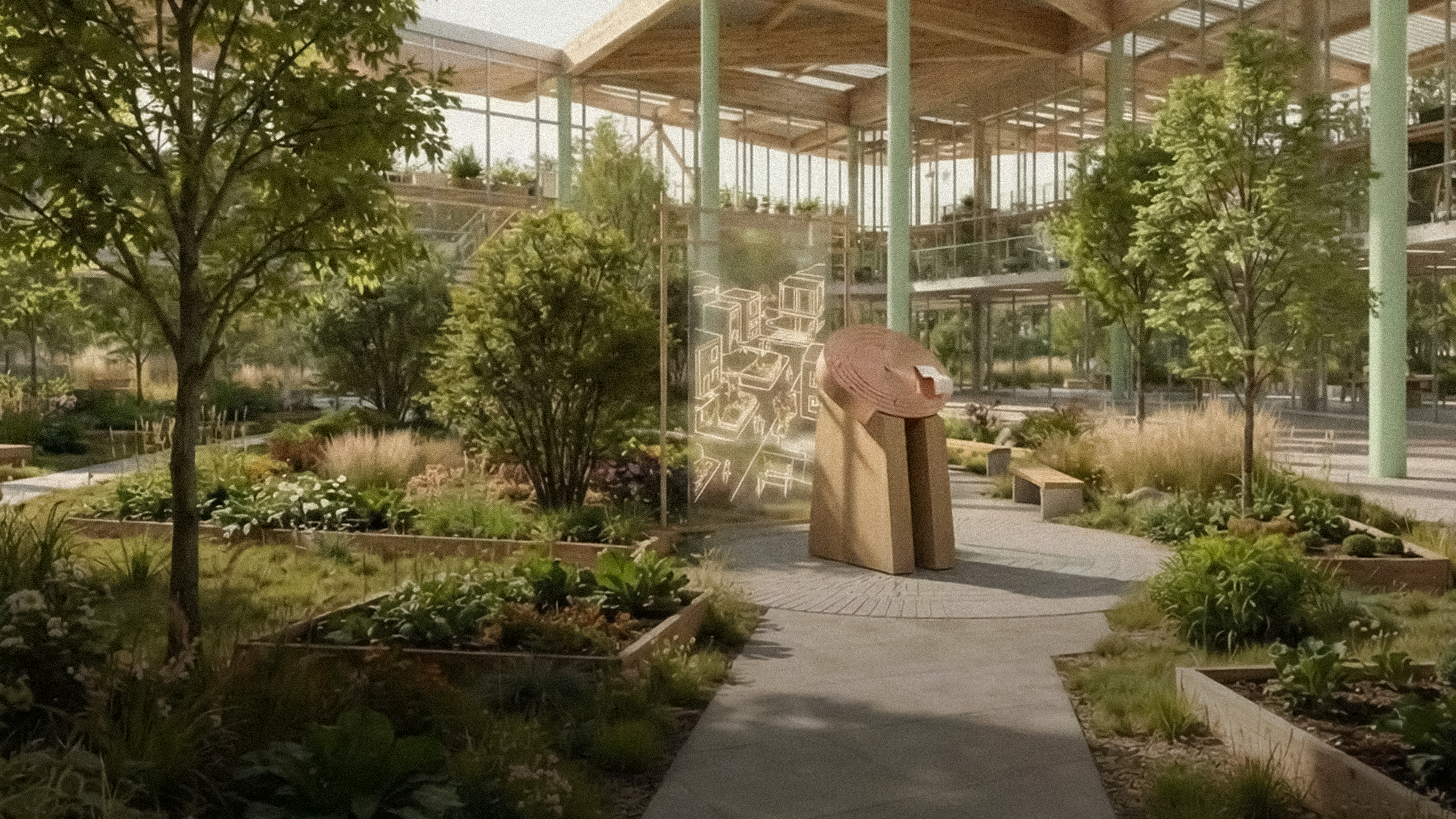
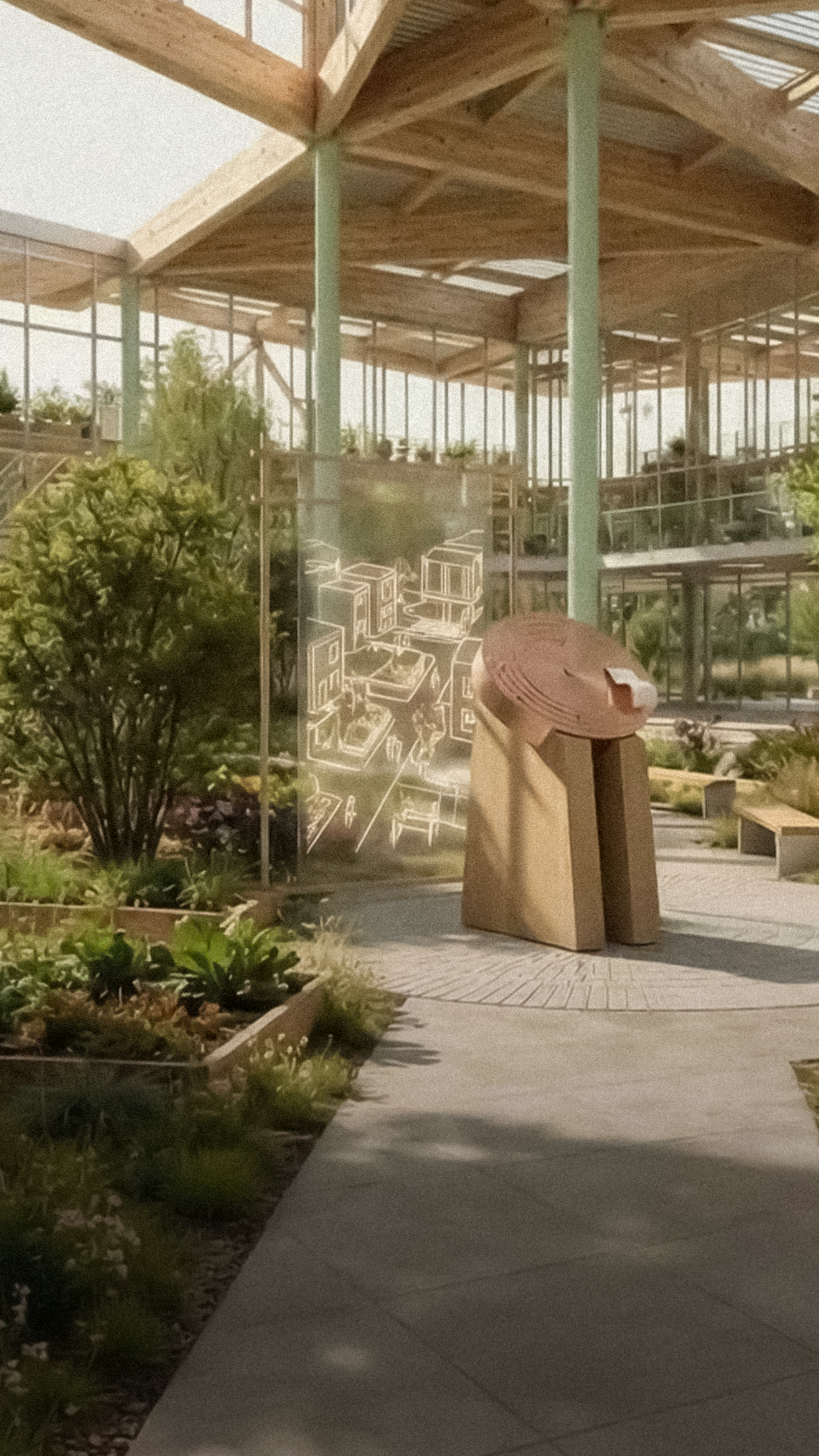
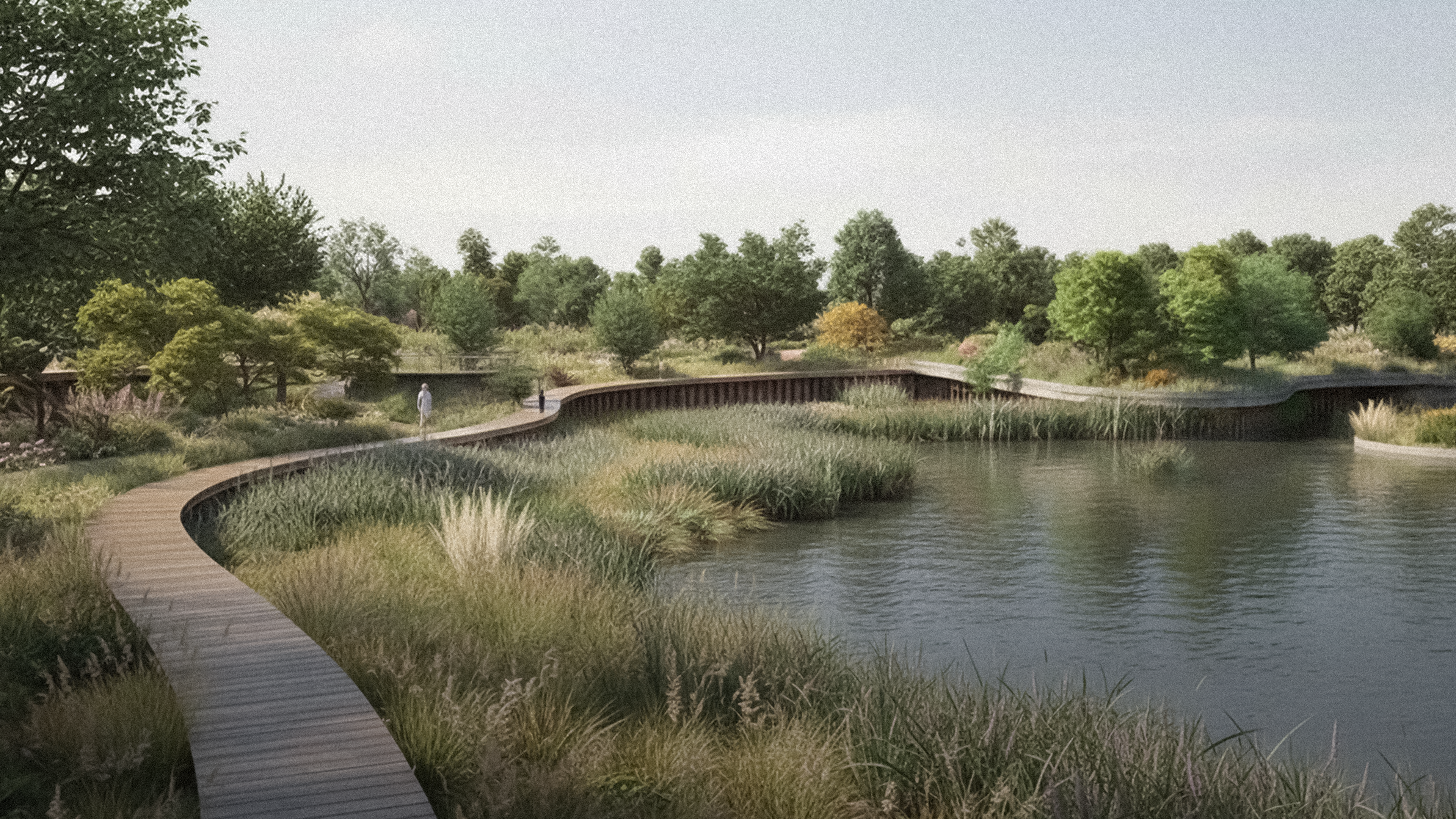
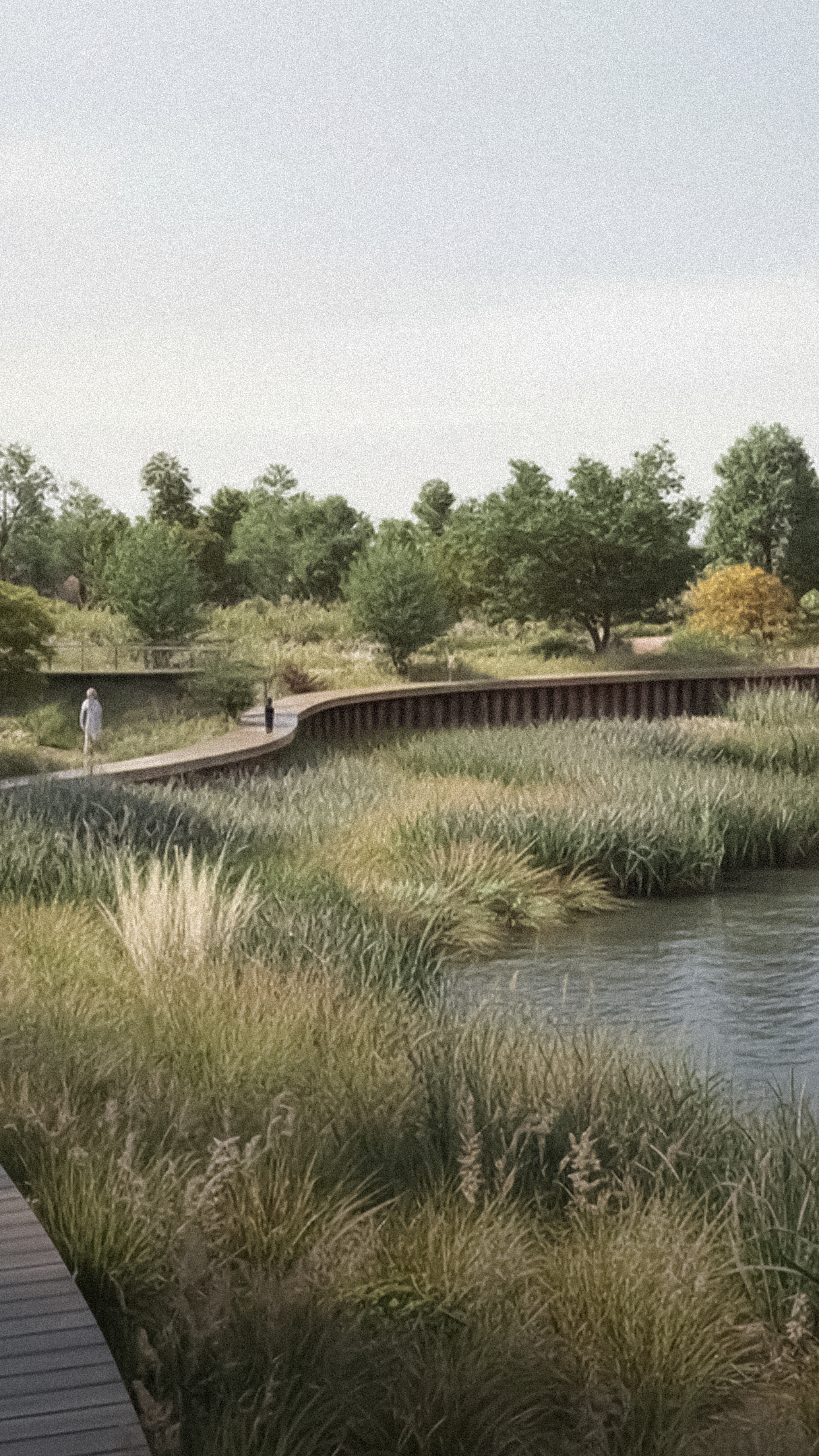
A biodiverse communal landscape linking housing clusters with food growing, water management, and shared gathering.
Floating and waterside dwellings testing how adaptive housing can extend into the evolving river landscape over time.
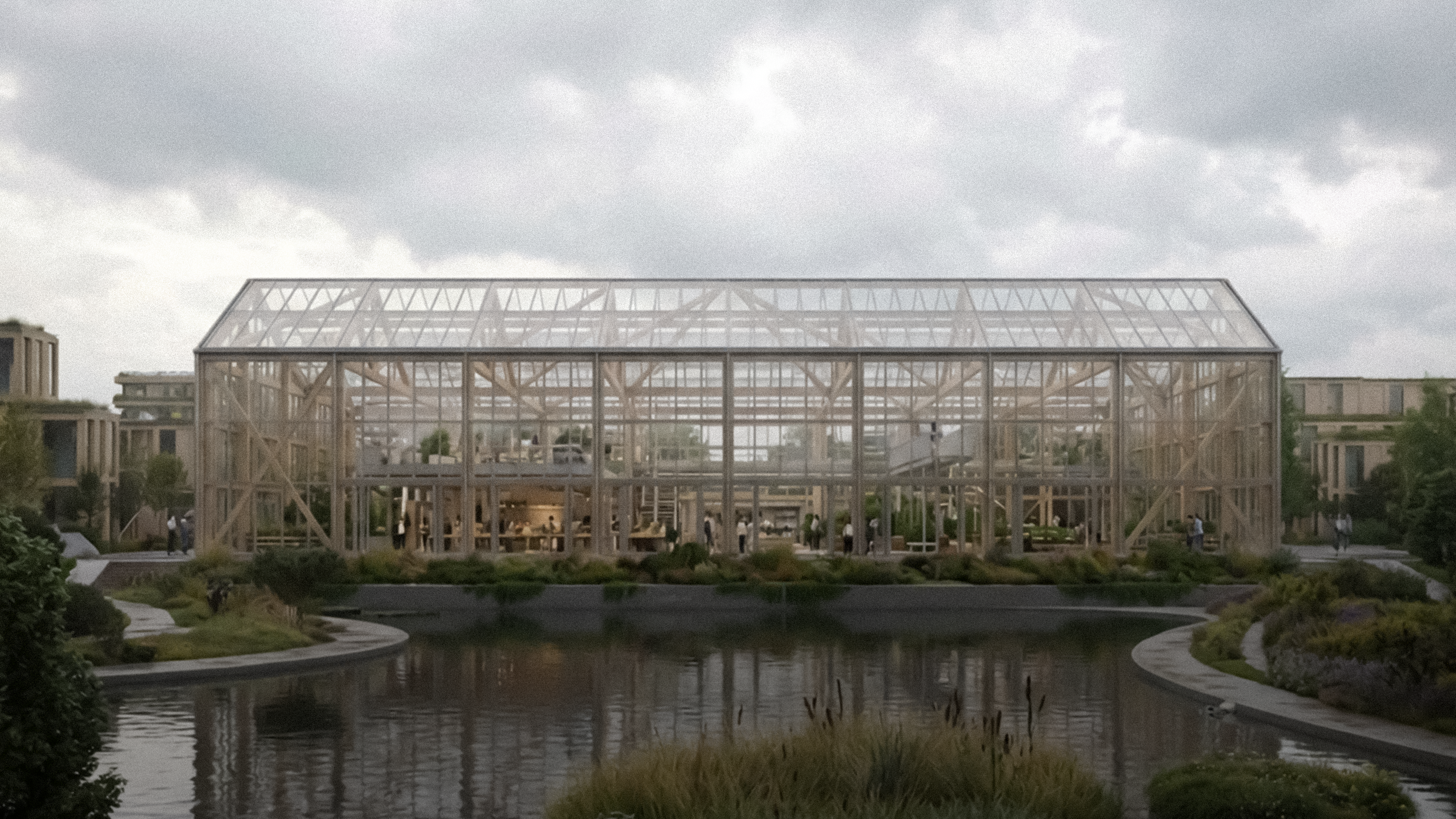
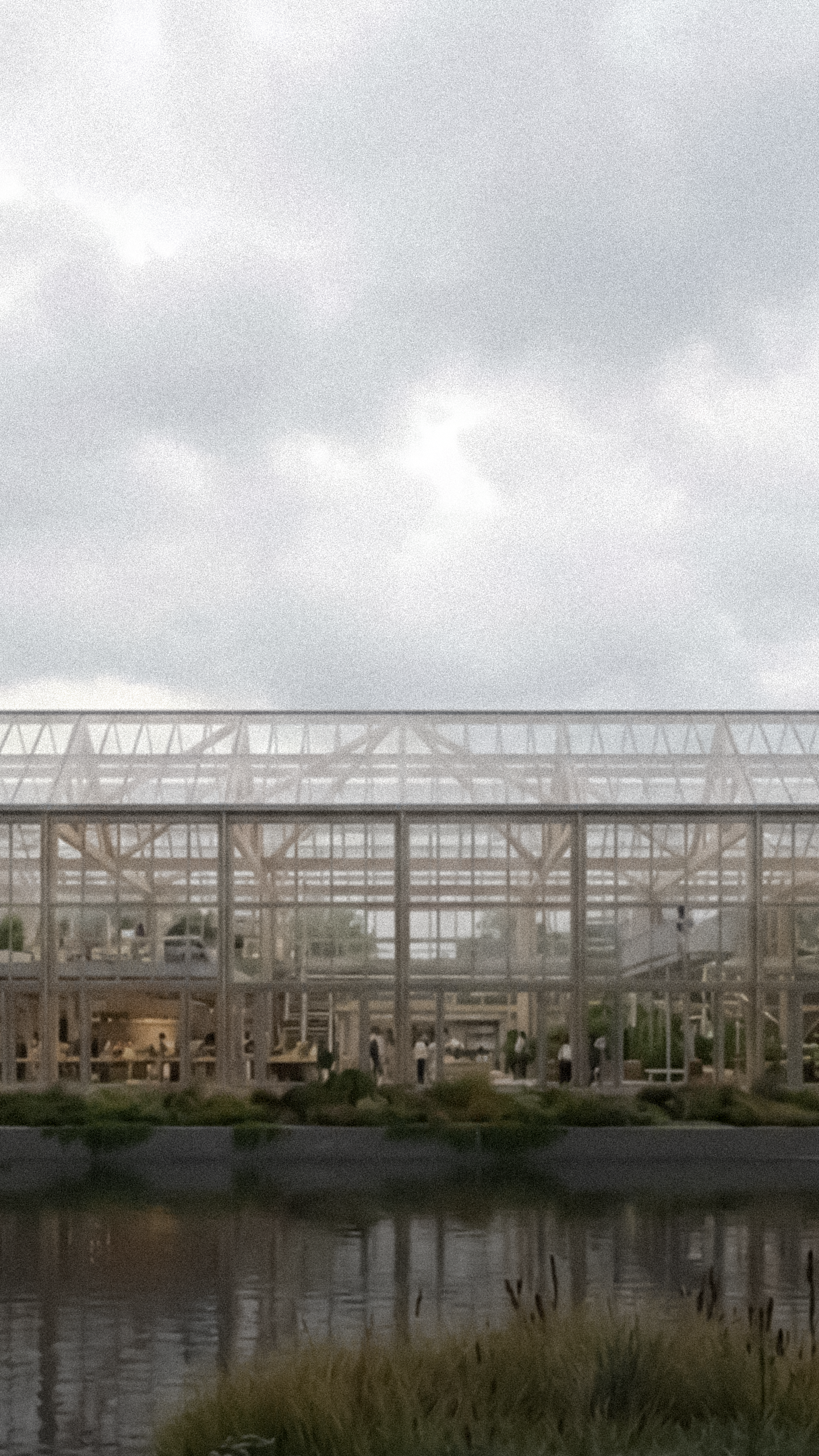
A community greenhouse and co-operative where residents cultivate and source food year round, supporting adaptive urban living.
Hover over the hotspots to explore the lab
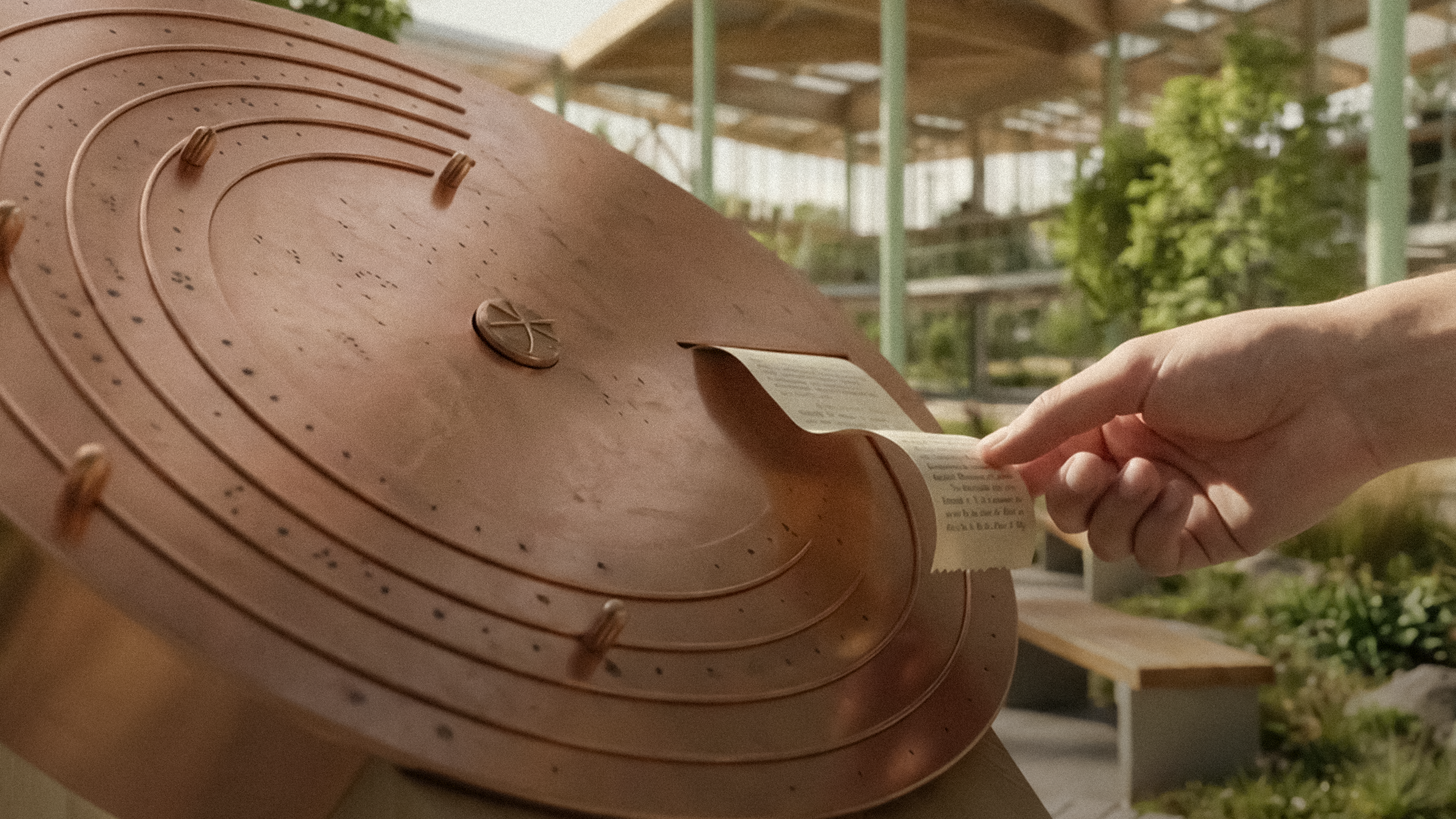
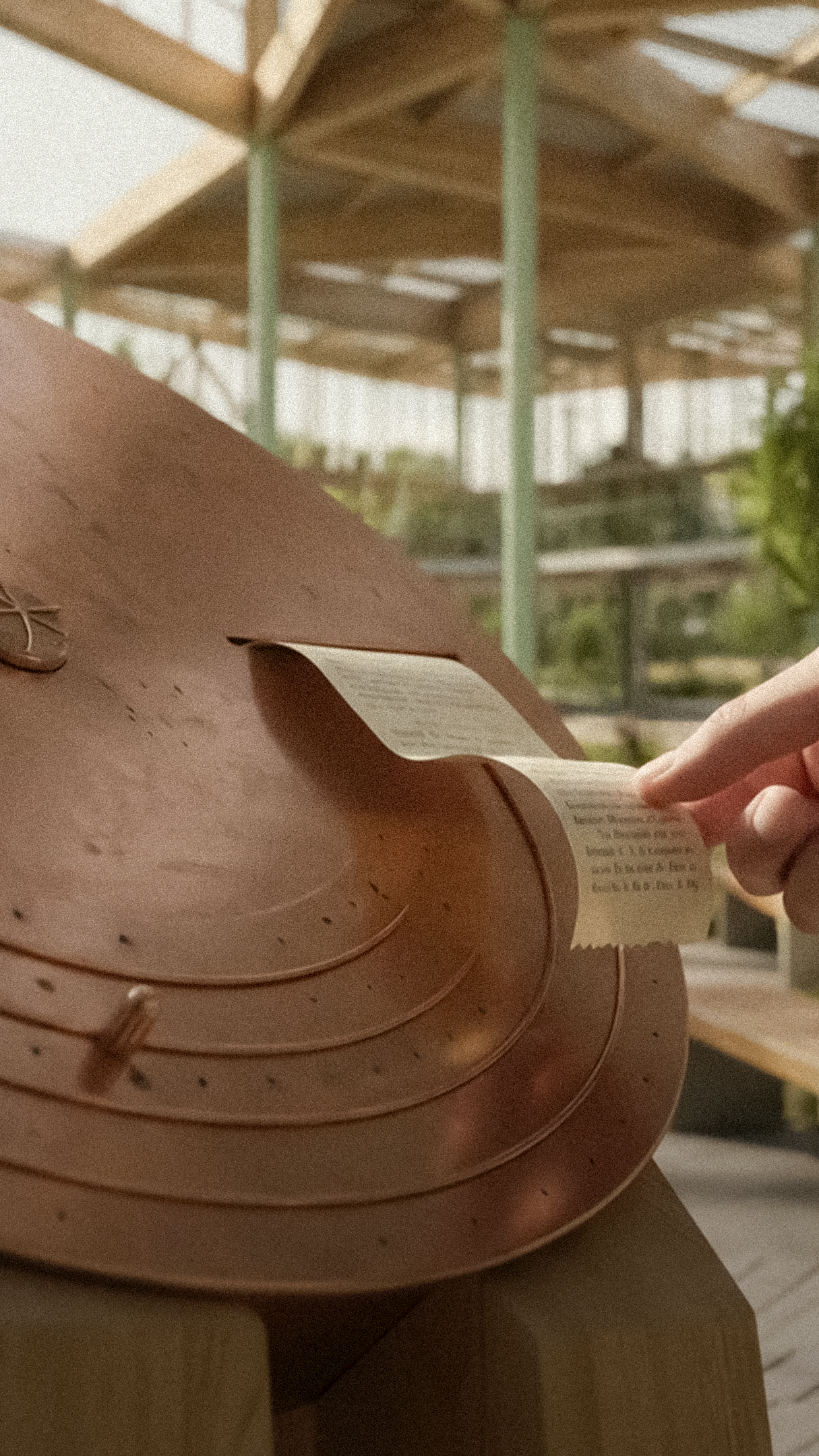
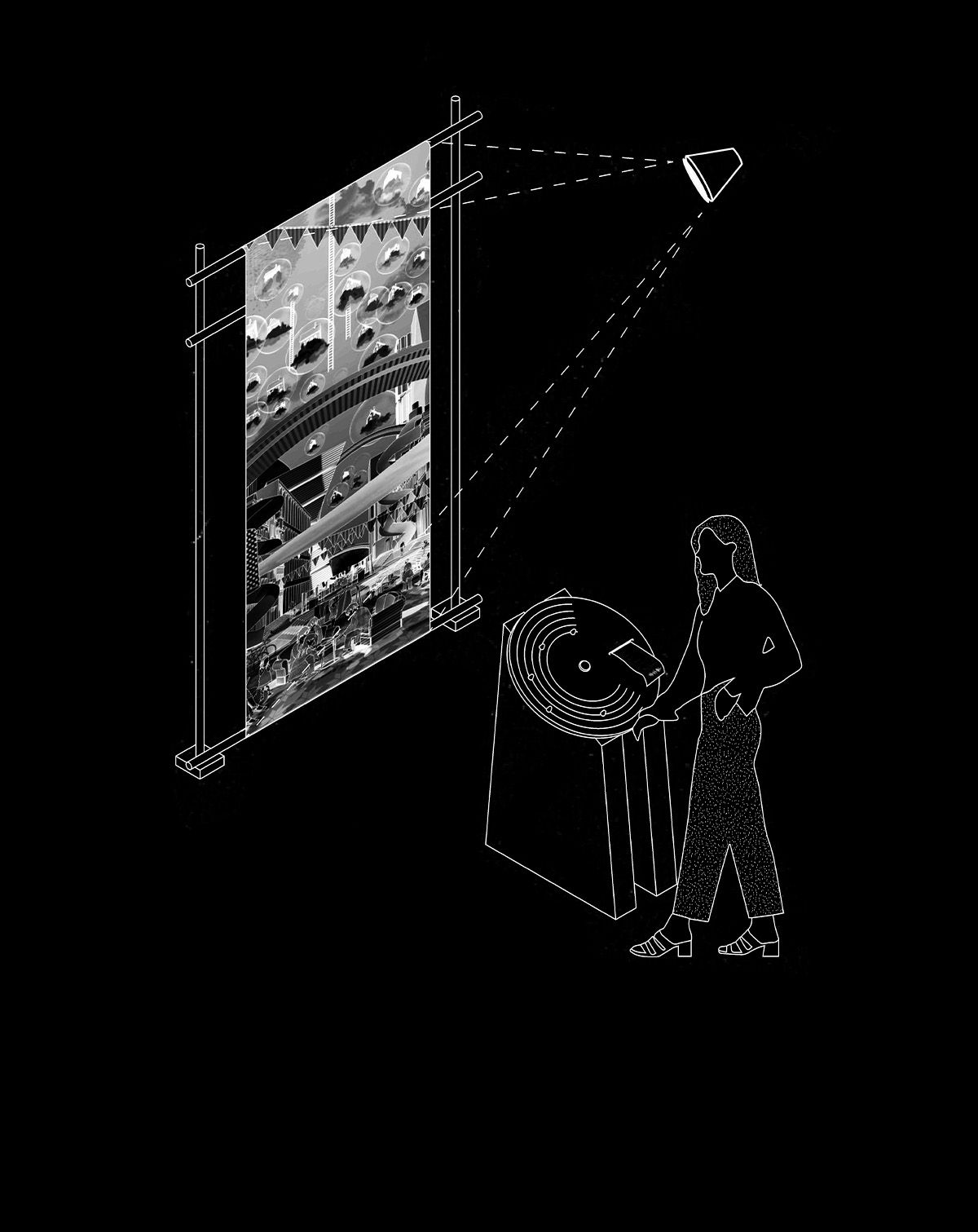
Collectively governed neighbourhood assets
Collectively governed neighbourhood assets
Parametric hyper-local futures that inspire collective action
Parametric hyper-local futures that inspire collective action
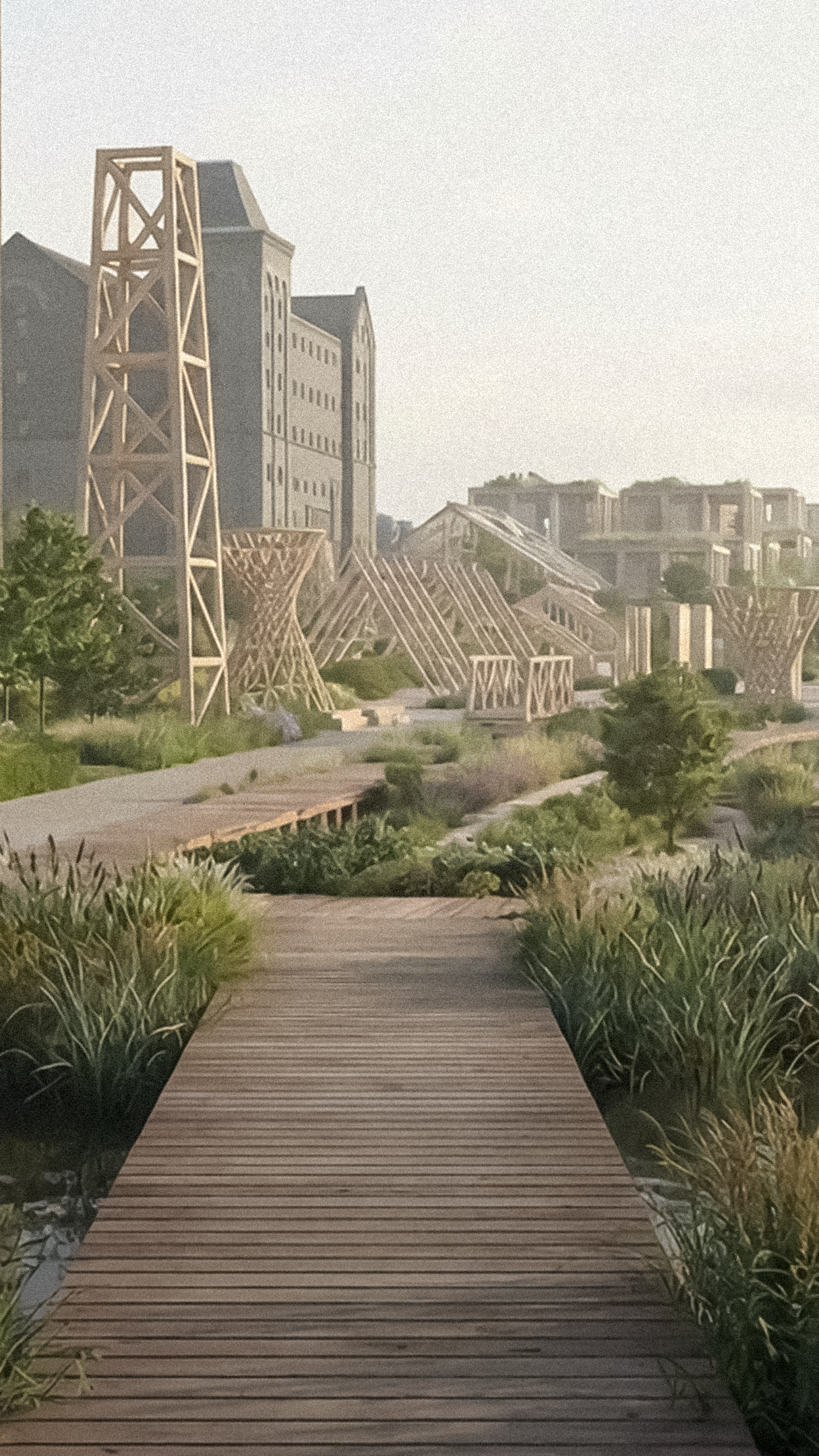
Civic living infrastructures designed to physically adapt
Civic living infrastructures designed to physically adapt
Some ideas work. Others are revised or undone.
Conviviality Index
Learn how to make visible how well a neighbourhood supports adaptive living, wellbeing, and shared life under change.
Neighbourhood Imaginaries
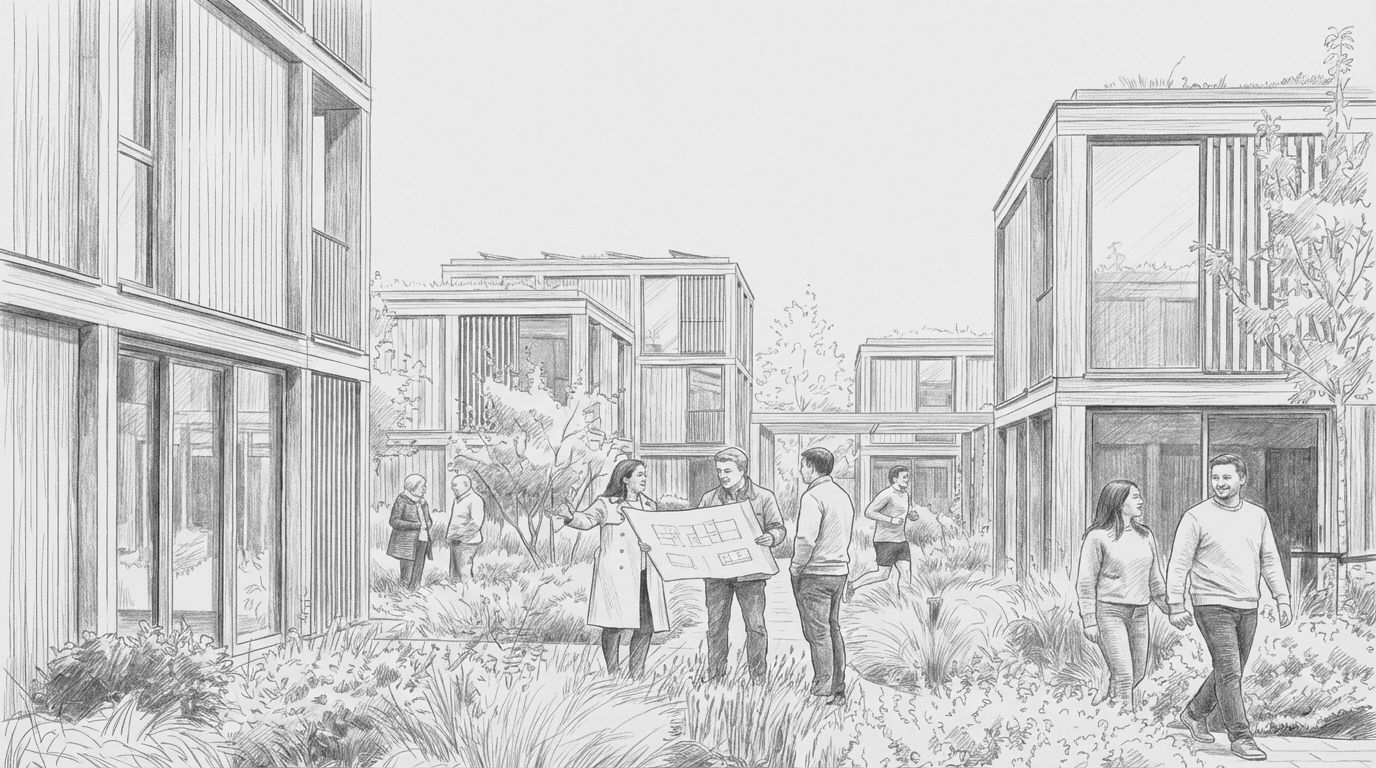
Learn how to co-create stories, visions, and alternative futures for how local communities might live together more regeneratively.
Adaptive Spaces
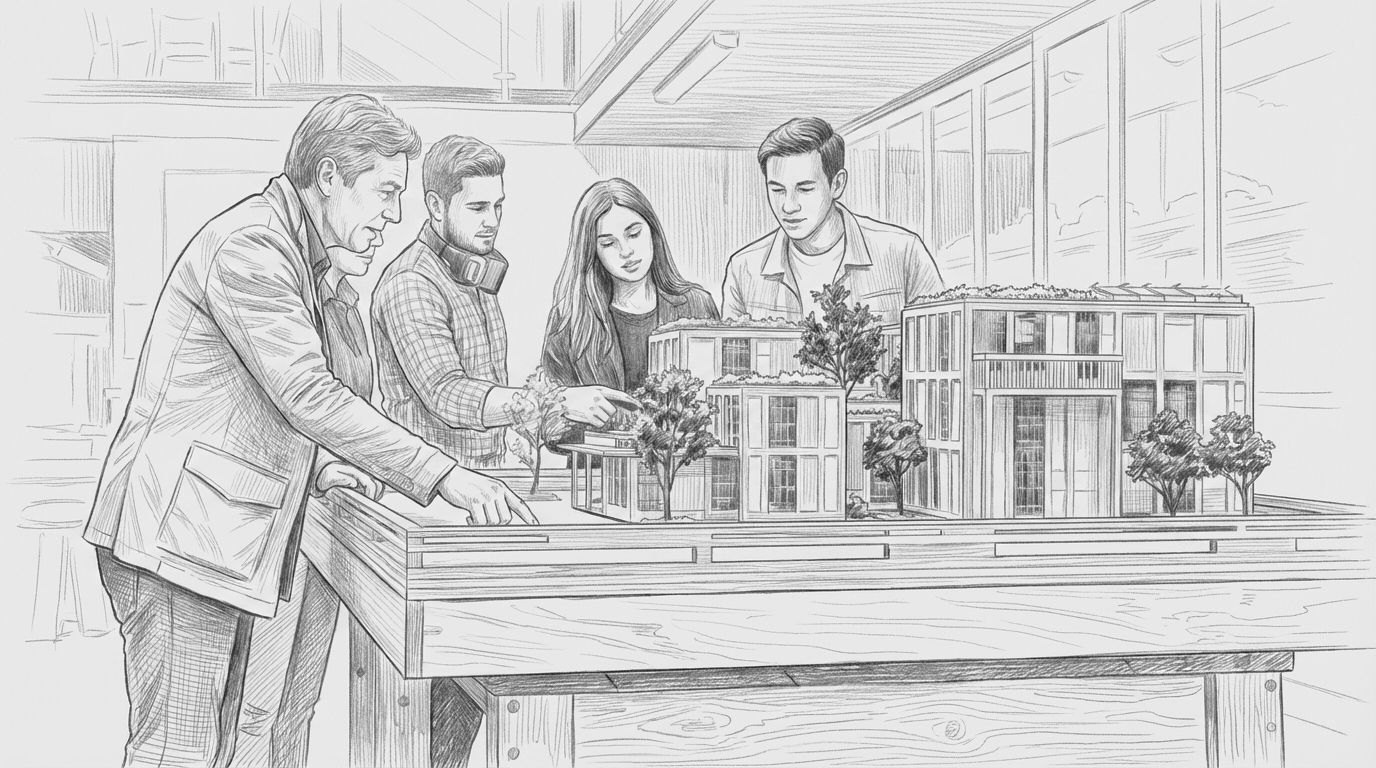
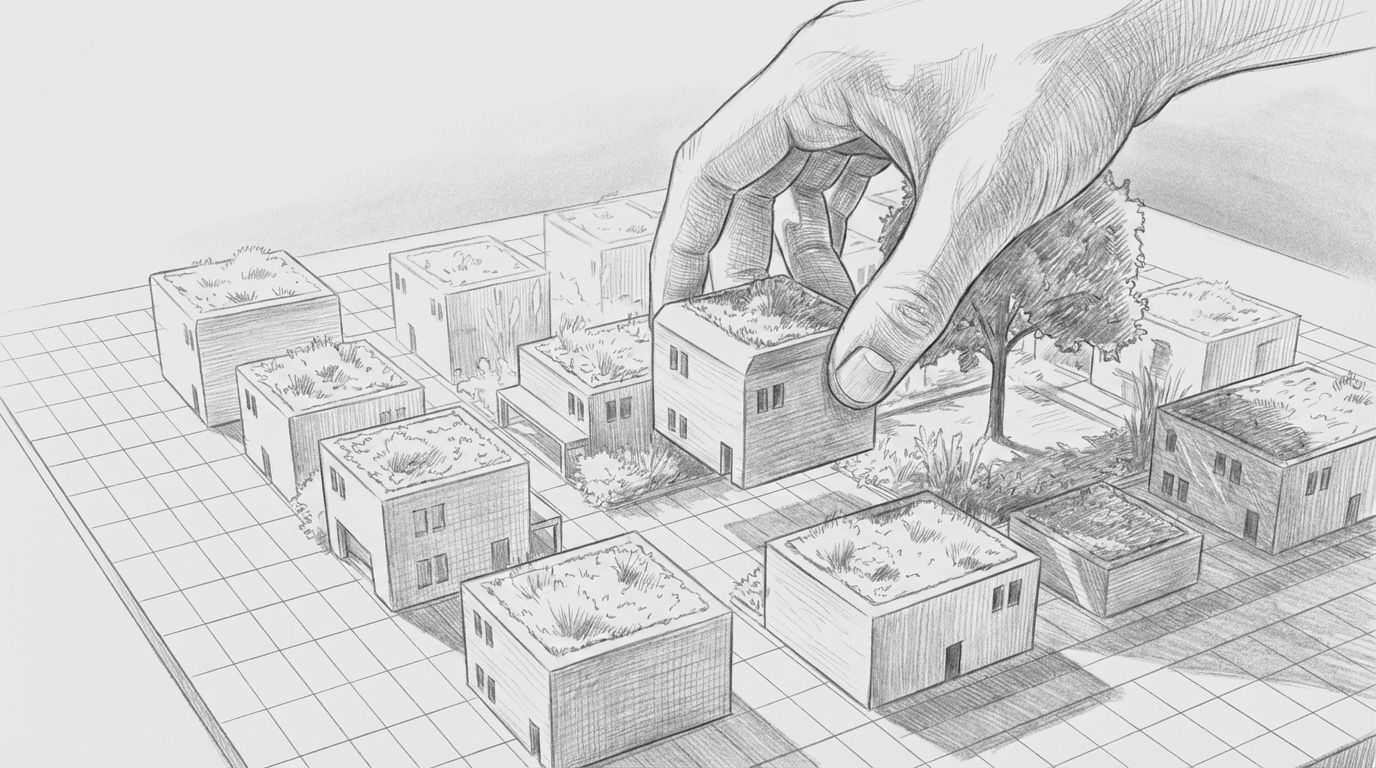
Learn how to prototype design patterns for neighbourhood configurations that adapt as needs, relationships, and conditions change.
Mission Cycles
Cycles are invitations to practise regeneration at the lab as part of life-long journeys of self-directed learning.
Conviviality Index
Overview
Learn how to make visible how well a neighbourhood supports adaptive living, wellbeing, and shared life under change.
Problem Space
Neighbourhoods are often valued through property metrics alone, obscuring social health, access, and adaptive capacity.
Who This Is For
Residents and neighbourhood stewards, public health and wellbeing researchers, urban data and policy teams, civic institutions.
What You Will Do
Track how shared access and conflict shape living through change.
Learner Contribution
Indicator design, lived experience reporting, pattern analysis, and shared evaluation.
Who Will You Become
Become a Conviviality Custodian — able to assess neighbourhood health through lived capacity to adapt without displacement.
Neighbourhood Imaginaries
Overview
Learn how to co-create stories, visions, and alternative futures for how local communities might live together more regeneratively.
Problem Space
Neighbourhood change is often driven by technical plans and external proposals, leaving little room for shared meaning, imagination, or consent.
Who This Is For
Residents and temporary inhabitants, artists and cultural practitioners, social researchers and futures practitioners, community facilitators.
What You Will Do
Test how spaces evolve through negotiation, not redesign.
Learner Contribution
Story gathering, participatory media, speculative artefacts, and shared sensemaking.
Who Will You Become
Become a Neighbourhood Imaginaries Facilitator — translating shared stories and aspirations into grounds for collective adaptation.
Adaptive Spaces
Overview
Learn how to prototype design patterns for neighbourhood configurations that adapt as needs, relationships, and conditions change.
Problem Space
Standardised housing typologies and fixed uses limit a neighbourhood’s ability to respond to life transitions without displacement or conflict.
Who This Is For
Residents and local groups, makers and carers, environmental and social researchers, community facilitators.
What You Will Do
Create living archives that guide how space and change are negotiated.
Learner Contribution
Spatial experimentation, shared-use agreements, material prototyping, and collective coordination.
Who Will You Become
Become an Adaptive Spaces Architect — able to design reconfigurable shared spaces to support diverse ways of living over time.
Engage
Your learning journey here begins with a choice. Which regenerative mission cycle will you join?
Choose a Cycle
What would you like to explore at the Neighbourhood Lab? Explore the nodes to discover the active Cycles. Select one to enrol and add it to your Learning Pathway.
Would you like to add Mission Cycle: undefined to your pathway?
Conviviality Index
Become a Conviviality Custodian — able to assess neighbourhood health through lived capacity to adapt without displacement.
Neighbourhood Imaginaries
Become a Neighbourhood Imaginaries Facilitator — translating shared stories and aspirations into grounds for collective adaptation.
Adaptive Spaces
Become an Adaptive Spaces Architect — able to design reconfigurable shared spaces to support diverse ways of living over time.
Thank you for selecting a cycle at Neighbourhood Lab, your choice has updated your pathway. Next, explore further cycles at Urban Campus and populate your personalised learning pathway.
Explore Further LabsDownload ProspectusScroll down to explore